Know Your Dashboard Lights
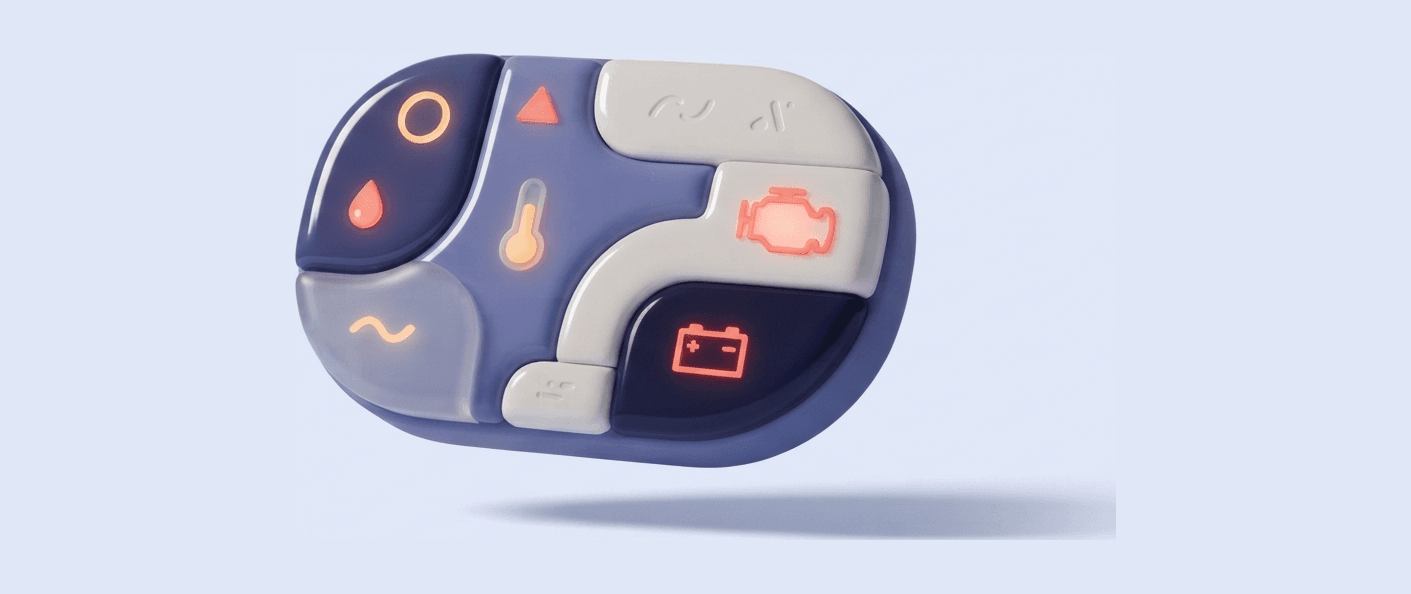
The symbols that light up when you start the car are how it talks to you. The skill is knowing which colors mean pull over now and which mean book a service.
Warning lights work like a traffic signal. Red means serious — deal with it now. Amber means attention soon; you can usually drive carefully to help. Green and blue just say a system is on.
A brief flash of symbols at startup is normal — the car testing its bulbs. Worry about a light that stays on, or one that appears while you're driving.
You don't need to memorize every icon — just the reflex to notice a new light, judge its color, and reach for the book that explains them all: the owner's manual.
Read the color, then the manual
Treat red as stop or serious
A red light — oil pressure, temperature, brakes, charging — means find a safe place to stop and sort it out. Driving on through a red warning risks turning a repair into a wreck.
- Red: stop safely, don't drive on
- Amber: service soon, drive gently
Notice the new light, don't normalize it
A warning you start ignoring is a warning wasted. When a symbol appears or stays lit, register it as new information and find out what it means rather than driving used to it.
Keep the manual in the glovebox
Every symbol is pictured and explained in your owner's manual. Keep it in the car so you can match a strange light to its meaning wherever you are.
The dashboard is your car speaking plainly. Red says now, amber says soon, and the manual translates the rest.
 bite.cards © 2026