

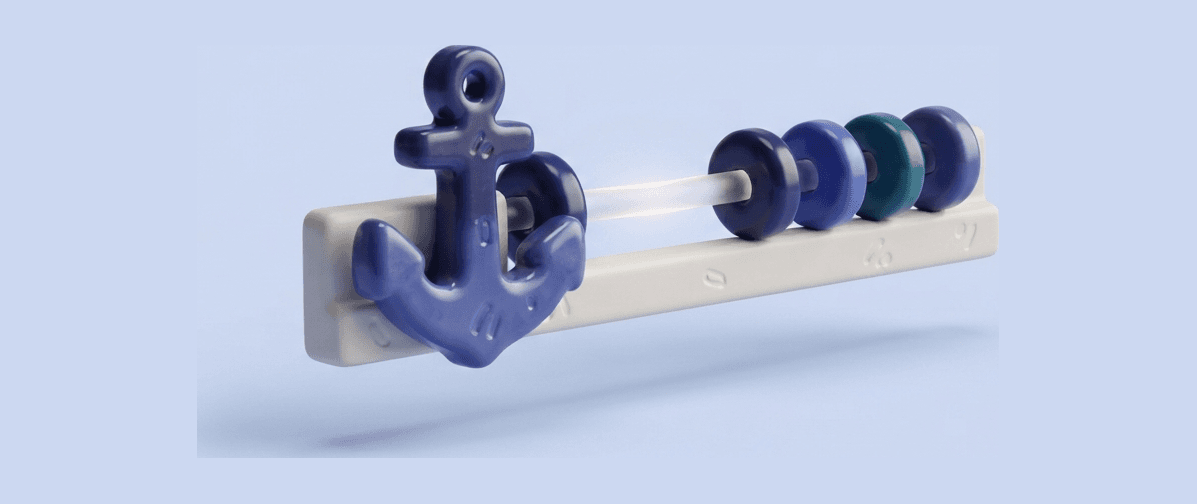
Anchoring Bias
The first piece of information you receive disproportionately influences all subsequent judgments, even when it's irrelevant.
See a $500 jacket marked down to $200? Feels like a great deal. But if you first saw it listed at $200, you'd think twice. The original price 'anchors' your perception of value.
Negotiators use this ruthlessly. The first number in a salary talk or a home price becomes the anchor everything else revolves around.
Even random anchors work. Ask people whether Gandhi died before or after age 140 rather than age 9, and their guesses shift by years.
Anchoring Bias
"The first number you hear is the number that matters most."
Set your own anchor first
Research your own valuation before negotiating. Write it down. That becomes your anchor instead of theirs.
- Research comparable data
- Write down your number first
- Don't adjust from their anchor
Recognize anchoring attempts
When someone names a number first, pause. Name it as an anchor, then reset to your research.
Use strategic anchors
Where you have leverage, anchor first with a researched, ambitious number. Make them adjust to your frame.
The first number sets the frame. Control the frame, control the outcome.
 bite.cards © 2026