The Loop Beneath Behavior
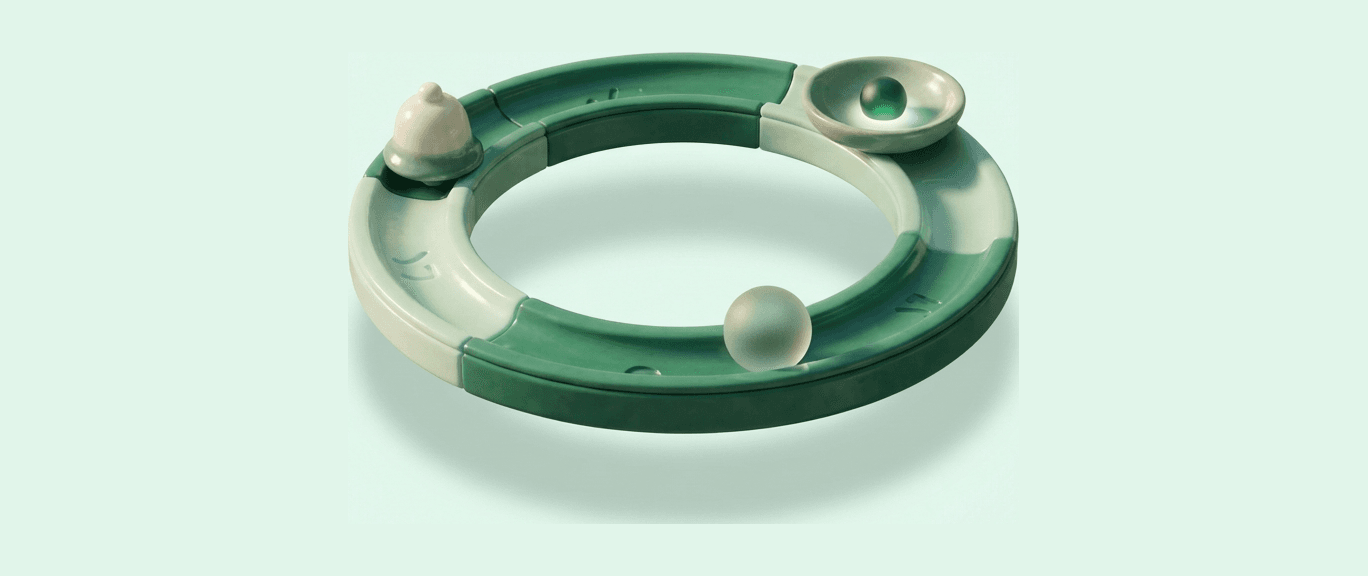
Beneath almost every repeated behavior runs one circuit: a cue fires, a routine follows, a reward lands — and the reward wires the cue to fire faster next time.
Watch any habit closely and a three-part loop appears. A cue — a time, a place, a feeling — signals that a familiar sequence is available. The routine runs. The reward closes the circuit.
The brain keeps score without asking you. Every completed loop strengthens the cue-routine link, until the cue alone launches the behavior before conscious thought arrives.
You cannot reason with a loop, but you can re-engineer any of its parts. Change the cue and the routine never launches. Keep cue and reward, swap the routine, and the same machinery works for you.
Map one loop tonight
Pick one habit and name its three parts
Choose a habit you already have — good or bad. Write down the cue that launches it, the routine, and the payoff. Guess if you must; a wrong map beats no map.
- When and where does it start?
- What exactly do I do?
- What do I get the moment it ends?
Watch the loop run once without changing it
The next time the cue fires, let the routine happen but narrate it to yourself as it runs. Feeling the machinery move is what turns an invisible reflex into a design problem.
Choose the one part you'll engineer
Decide which lever fits this habit: remove or move the cue, make the routine easier or harder, or bring the reward closer. One lever, one loop, this week.
You do not have a hundred habits. You have one loop, running a hundred times.
 bite.cards © 2026