More Than Its Parts
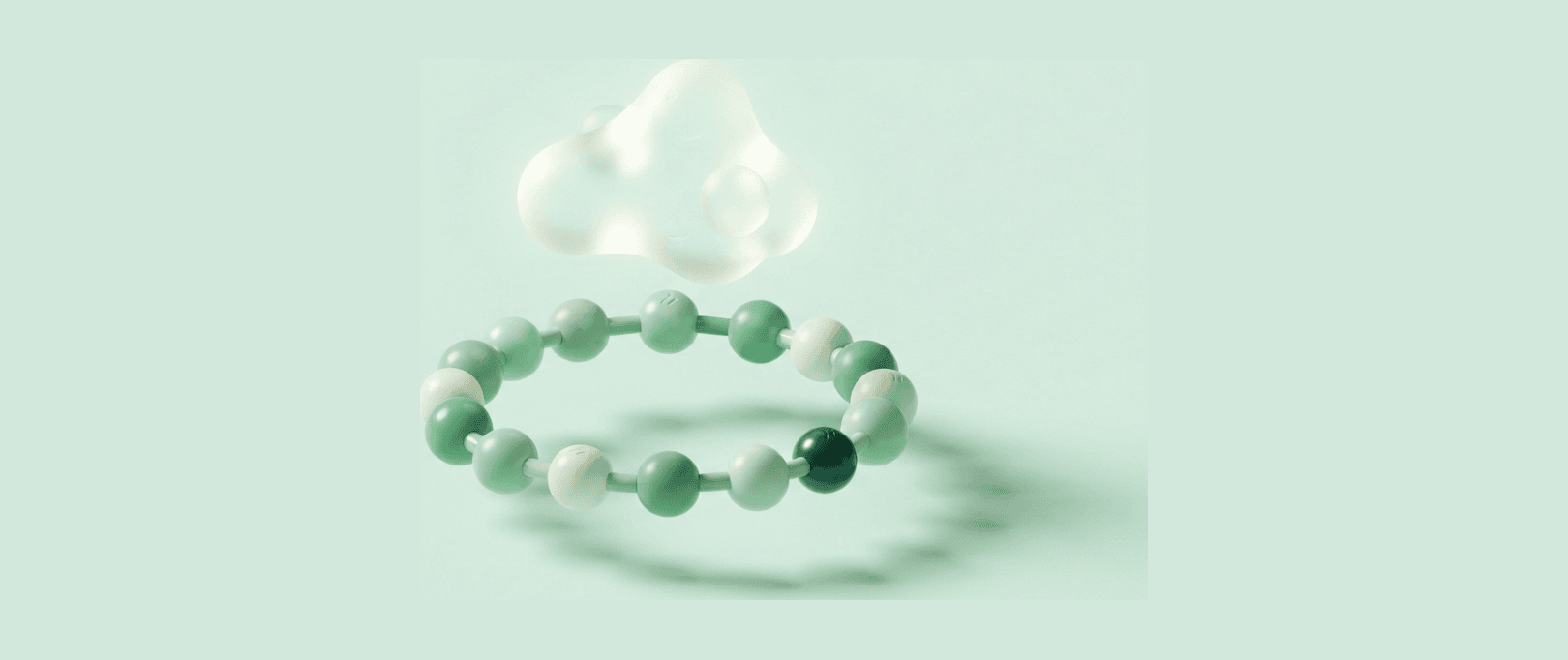
A system is a set of parts connected so they do together what none could do alone. That new behavior — emergence — lives in the connections, not the pieces.
Disassemble an organ, a flock, a market: the defining behavior vanishes. A heart in pieces doesn't beat, a scattered flock doesn't wheel. The behavior belonged to the arrangement.
This is emergence — the whole displaying properties its parts lack. It arises because the parts interact, and the pattern of those interactions produces something new.
The lesson is where to look. Study the parts in isolation and you miss the system. To change how something behaves, study how its pieces are wired together.
Look at the wiring, not the parts
Name the emergent behavior
Before dissecting anything, state plainly what the whole system does that no part does alone — the beating, the flocking, the pricing. That behavior is what you're actually trying to understand.
Study the connections, not the components
Resist the urge to swap or blame a single part. Trace how the parts act on one another — who feeds whom, who signals whom — because the behavior lives in those links.
- What does the whole do that no part can?
- Which connections produce that behavior?
Change behavior by rewiring relationships
To shift what a system does, change how its parts connect — the flows, feedback, and rules between them — not just the parts themselves. New wiring, new emergence.
A system is not its parts. It is its parts, plus the way they are joined.
 bite.cards © 2026