

Find the ZOPA
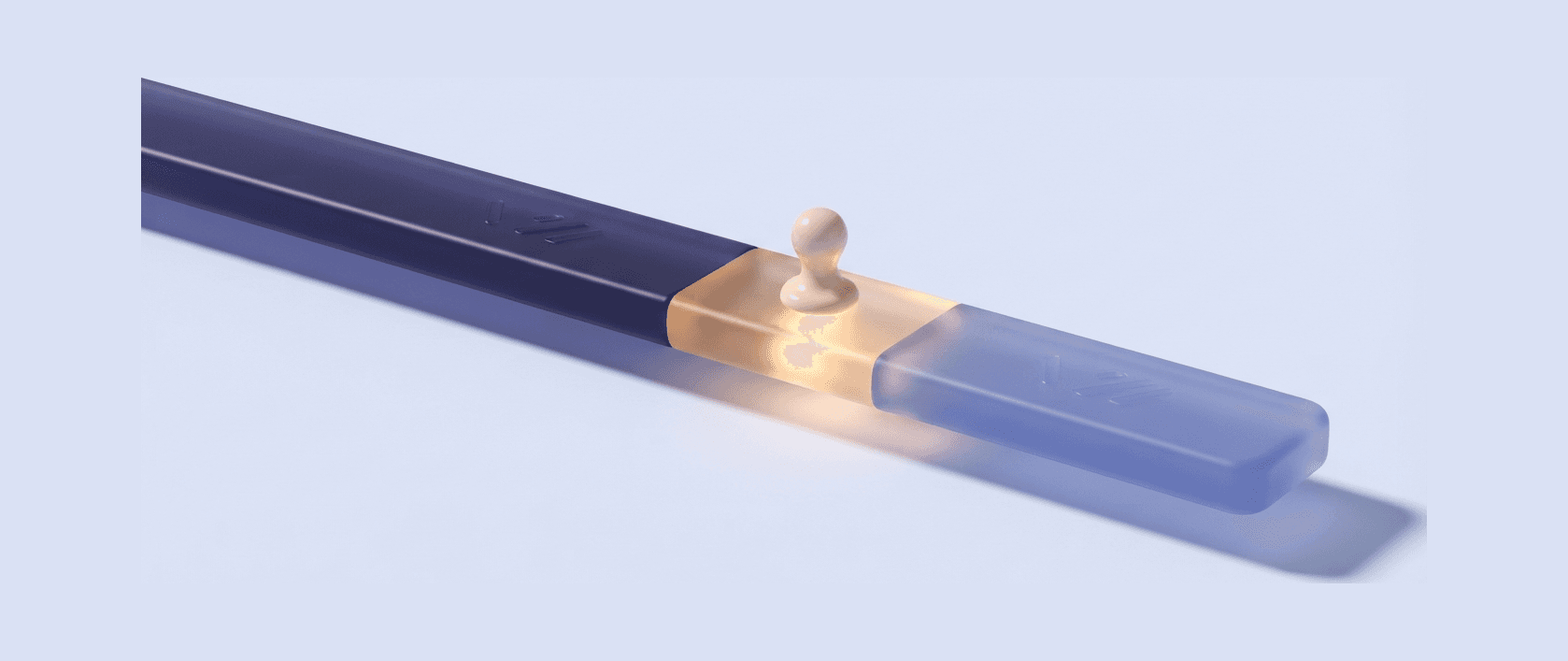
Between your walk-away limit and theirs lies the zone of possible agreement — the only territory where a deal can exist. Every negotiation is a search for it.
Each side has a limit: the most a buyer will pay, the least a seller will take. Where those limits overlap is the ZOPA. Everything outside it is theater.
It works as a map. Haggling feels like combat until you see that both of you are probing for the edges of the same hidden zone, and every offer is a sounding.
So if a zone exists, the fight is only over where inside it you land. If it doesn't, no charm will conjure one — reshape the deal, or leave early and cheaply.
Map the zone before you fight over it
Estimate their limit, not just yours
Before talks, write your best guess of their walk-away point and what it rests on — their alternatives, their costs, their pressure. Update it after every exchange.
Probe the edges with offers, not arguments
A firm offer and their reaction to it tells you more about the zone than an hour of debate. Watch what they reject instantly versus what makes them pause and ask questions.
- Instant refusal: likely outside the zone
- A counter or a question: you're near the edge
If there's no zone, change the deal
When limits genuinely don't overlap, stop pushing on price and add new terms — timing, scope, risk — until an overlap appears. If it still doesn't, walk while goodwill is intact.
You are not fighting the other side — you are both searching for the same hidden overlap.
 bite.cards © 2026