

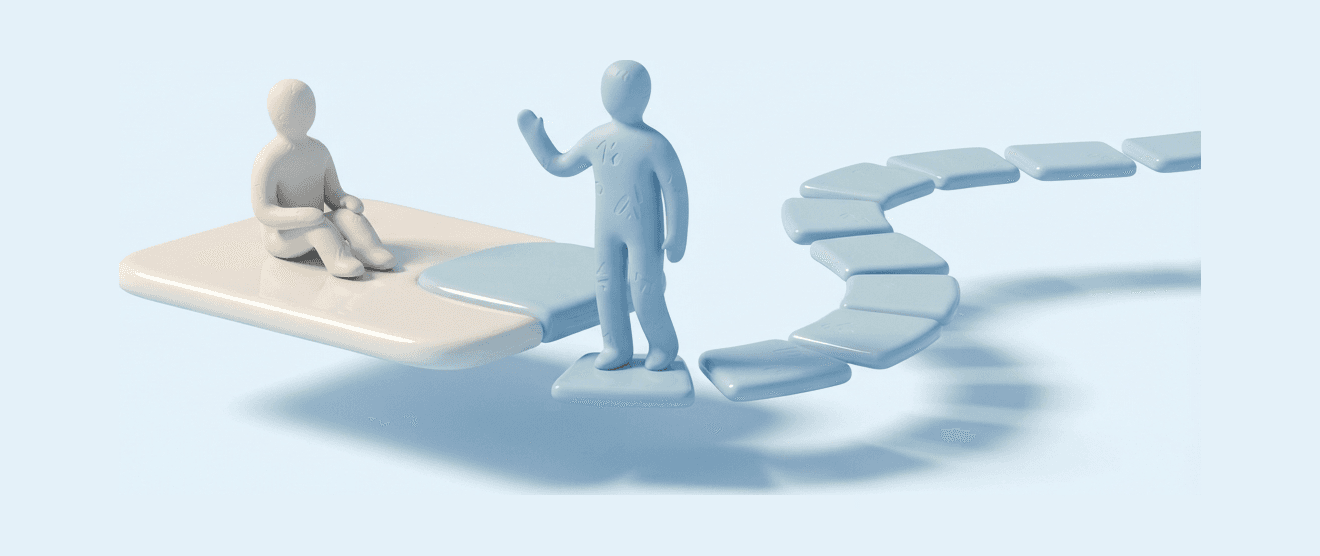
The Power to Walk
The party more willing to leave the table quietly controls it. Walking-away power is not a bluff — it is a decision made in advance, visible only in your calm.
Every negotiation has a moment where the deal on offer is worse than no deal. Walking-away power is the settled willingness to act on it, decided before you enter.
Desperation is legible. The side that must close will pay for closing, and counterparts price that need into every round. Real readiness to leave changes their math.
It is not aggression. You can walk warmly — thank them, leave the door open, mean it. The power comes from the ability to leave, not the threat of it.
Decide your exit before you enter
Fix the walk-away point in writing
Set the line while you are calm and have nothing at stake in the moment. Tell a colleague what it is — a witness keeps the line honest when the room gets warm.
Rehearse a graceful exit line
Script it in advance so leaving costs no face on either side: "It looks like we're too far apart today — let's keep the door open and talk again if things change."
- Say thank you before you say goodbye
- Leave a specific way to reopen
Actually walk when the line is crossed
A walk-away point you won't act on is a decoration. Leave politely, follow through on your alternative — and don't be surprised when the phone rings a week later.
You can't negotiate well for anything you aren't prepared to lose.
 bite.cards © 2026