
Recall Beats Rereading
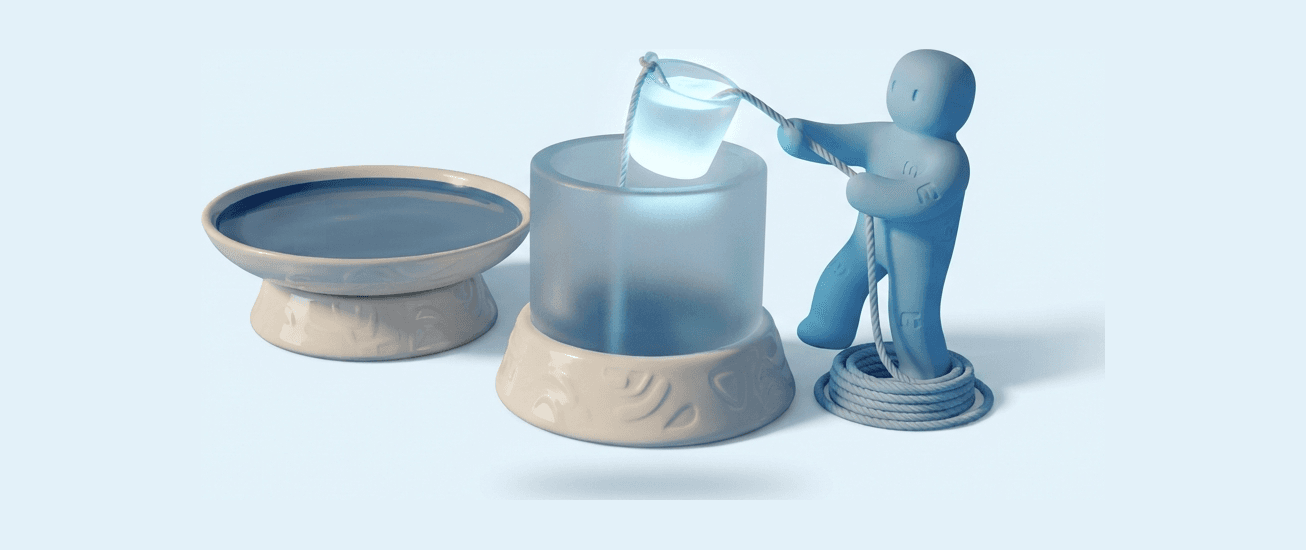
Pulling a memory out strengthens it far more than putting it back in. Every act of recall is a rep — rereading is watching someone else lift.
The testing effect is among the most replicated findings in cognitive science: closing the book and answering from memory beats the same time spent rereading. Major reviews rate testing among the best study methods and rereading among the weakest.
Memory is reconstruction, not recording. Each retrieval rebuilds the trace along the route you will need later. Rereading strengthens only your familiarity with the page.
So a test is not only what measures learning. Done early and often, it is what causes it.
Study with the book closed
Close the source and recall first
After reading a section, shut it and write or say everything you can remember before looking back. The strain of retrieving is the treatment, not a symptom of failure.
Turn notes into questions
Convert headings and key points into prompts you can quiz yourself with later. A note you can only reread is a dead end; a question can be answered forever.
- What would this section ask me?
- Could I answer it with the page hidden?
Check, correct, and test again
Compare your recall against the source, repair what you missed, and retrieve it again after a gap. The misses are not embarrassments — they are the map of what to practice next.
Every time you recall something, you make it easier to recall again. The quiz is not the measurement — it is the medicine.
 bite.cards © 2026