

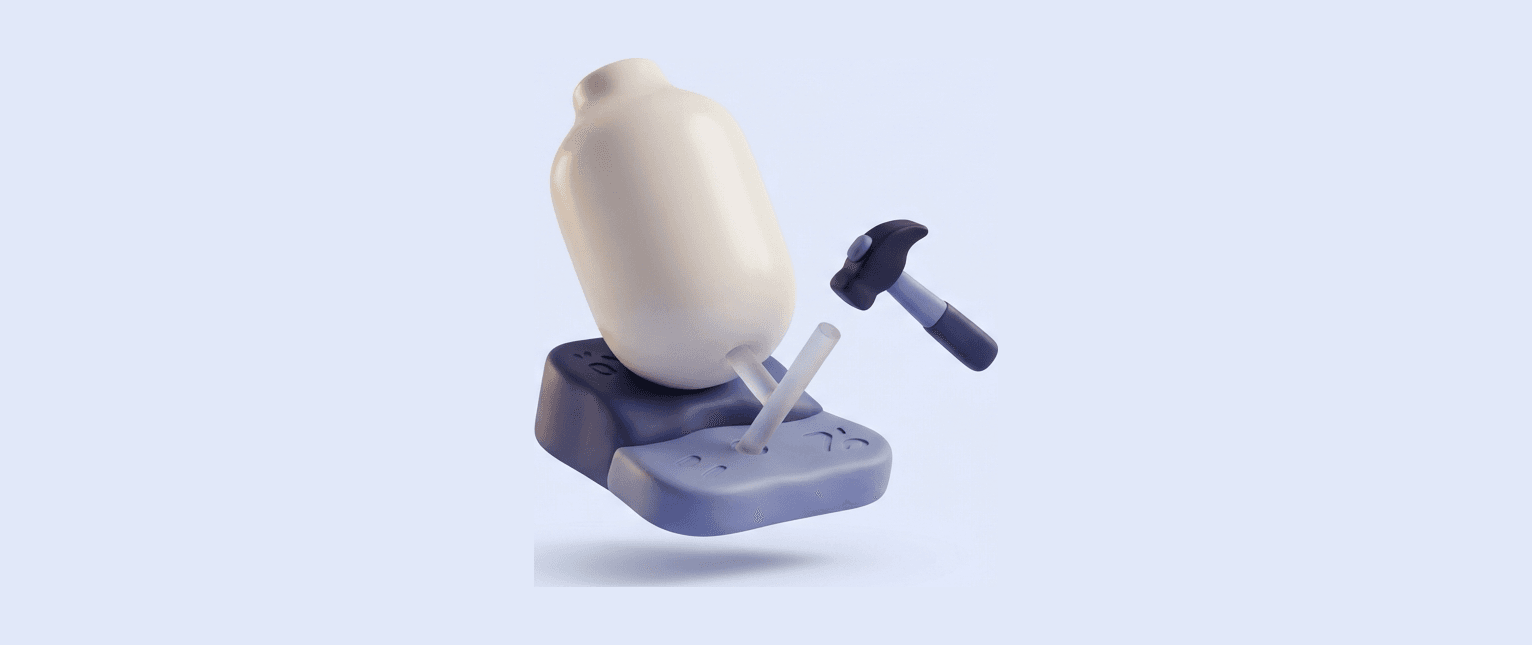
Falsifiability
Karl Popper's dividing line: a claim is scientific only if it forbids something — only if some possible observation would prove it wrong.
Popper asked what separates science from pseudoscience and answered: falsifiability. A scientific claim sticks its neck out — “all swans are white” is sunk by one black swan.
Theories that explain every possible outcome explain nothing. If no result could ever count against an idea, confirming instances prove nothing either; it is simply immune to evidence.
So you do not gather evidence to prove a theory true. You expose it to what is most likely to kill it, and provisionally trust what survives. Ask of any claim: what would prove this wrong?
Ask what would break it
State the forbidden observation
For any claim, name at least one result the world could show that would make it false. If you can't name one, the claim isn't yet testable.
Aim tests at the weak point
Design the test most likely to break the claim, not the one most likely to flatter it. A theory earns trust by surviving honest attempts to kill it.
- What result would refute this?
- Am I testing it, or protecting it?
Distrust the unfalsifiable
When a claim wriggles out of every possible disproof — inventing a fresh excuse for each failure — treat that flexibility as a warning, not a strength.
A theory that forbids nothing predicts nothing. — after Karl Popper
 bite.cards © 2026