The Testable Question
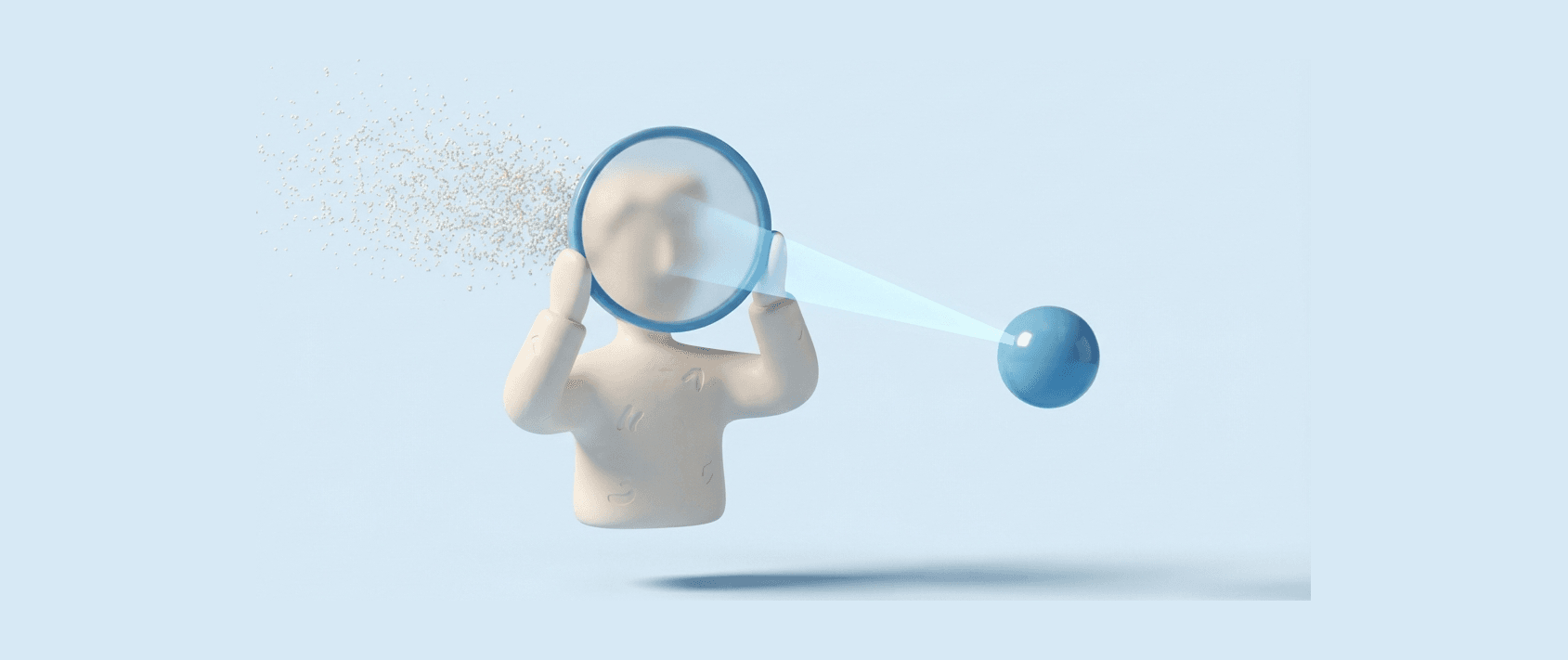
Science begins not with an answer but with a question narrow enough to answer — one whose rival answers predict different observations.
Every inquiry starts with an observation that doesn't fit. It becomes science only when it is turned into a question the world can answer: specific, bounded, measurable.
A good question forbids something. “Is this drug good?” cannot be answered; “Does it lower blood pressure more than a sugar pill in eight weeks?” can.
Vague questions produce findings that can never be wrong, and a claim that can never be wrong teaches nothing. Most of the rigor is spent before the first measurement.
Sharpen the question first
Start from the anomaly
Notice what actually surprised you — the result that clashes with expectation — and name it plainly before reaching for an explanation.
Make it answerable
Rewrite the question until it names what you would measure and under what conditions. If you can't say what observation would settle it, keep narrowing.
- What exactly am I measuring?
- Under what conditions, and compared to what?
- What answer would count as no?
Decide what would count as an answer
Before collecting anything, state what result would count as yes and what would count as no. Deciding after you look is how you fool yourself.
A question you can't be wrong about is not a scientific question — it's a wish.
 bite.cards © 2026