All decks
36 decks · each one a subject worth knowing, dealt as cards.

$100M Offers
Alex Hormozi
Alex Hormozi's complete framework for creating offers so good people feel stupid saying no
The Art of War
Sun Tzu (~500 BC)
Sun Tzu's complete 2,500-year-old masterpiece distilled into 40 actionable cards covering all 13 chapters
As a Man Thinketh
James Allen (1903)
James Allen's 1903 classic distilled into 7 actionable cards covering all chapters

Bhagavad Gita
Vyasa (c. 200 BC)
Krishna's counsel to Arjuna on the field of Kurukshetra, in 31 cards: the deathless Self no weapon touches; karma yoga — act with all your skill yet renounce the fruit; the mind steadied like a lamp in a windless place; the three gunas and the path beyond them; and the final refuge of devotion and surrender.

Car Care Basics
Practical upkeep for ordinary car owners — not mechanics. Checking tire pressure and tread, reading fluids and the dipstick, jump-starting safely, decoding dashboard warning lights, the owner-safe hands-on jobs, the signs that mean see a mechanic, and a maintenance rhythm. Keep your car safe and reliable, one habit at a time. Always follow your owner's manual.
Cognitive Biases
Master the psychological patterns that shape your thinking and decision-making
Decision-Making Under Uncertainty
A working toolkit for deciding well when the future is unknown. Think in odds not certainties, weigh the bet and its shape, calibrate how sure you actually are, design the choice with premortems and trees, guard against ruin, and judge decisions by their process — not the roll of the dice.
Economic Thinking
Twenty-six original lenses for seeing the world the way economists do — why scarcity forces trade-offs, how prices carry knowledge no planner could gather, what trade and specialization quietly create, where markets genuinely fail, and how money, time, and growth shape everything from your career to the headlines. Non-partisan, mechanism-first, and built for everyday decisions.

Emotional Intelligence Under Pressure
Twenty-four original skills for staying steady when it matters — naming what you feel before it names you, reading what others need, cooling hot conversations, taking feedback without armor, repairing ruptures, and leading with a calm that spreads. Grounded in established psychology; built for real conflict, real feedback, and real teams.
The Autobiography of Benjamin Franklin
Benjamin Franklin (1791)
Benjamin Franklin wrote the original self-improvement manual as the story of his own life. Twenty-five cards on the runaway apprentice who systematized everything: teaching himself to write, the thirteen-virtues project, the errata he owned, the Junto and the library he built, Poor Richard's proverbs, and a public career run on questions, diffidence, and useful projects.
Game Theory for Everyday Decisions
Game theory without the math: twenty everyday situations — salary talks, group projects, shared fridges, pricing wars — decoded as games. Learn to spot the trap you're standing in, read where the other side will rationally land, and change the payoffs so cooperation stops being naive and starts being smart.
Habit Design
Twenty-six original cards on the machinery of habit — how the cue-routine-reward loop runs on autopilot, why willpower is the wrong tool for repeated behavior, and how to engineer change deliberately: start laughably small, anchor to routines you already have, tilt the friction, design the room, recover without collapsing, and let repetitions compound into someone new.
Hard Conversations
Twenty-six original cards on the conversations people avoid — feedback, disagreement, bad news, requests, and endings. How to prepare (name the real issue, choose your two wins), open without triggering defenses, navigate the middle (steelman, specifics, clean requests), say the hard thing plainly, and repair what goes wrong. Structure and craft for the talk itself, start to close.

History of Seattle
Seattle's story in 35 cards, from the Duwamish and Coast Salish homeland on Puget Sound to the modern tech city of Amazon and Microsoft — the timber town, the great fire, the gold rush, Boeing, grunge, and all the rest. Every card ties the history to the Seattle you can still see today: the neighborhood, building, or living legacy behind each turn.

Home Repairs Made Simple
Safe, common home fixes you can do yourself — no permit, no pro required. Plunge a clog, fix a running toilet, stop a drip, swap a switch with the power off and verified dead, patch drywall, weatherstrip a door, change a filter. Every fix starts by making it safe, and every card names the line where you stop and call a licensed pro. General education, not professional advice; codes vary by locale.

Home Systems & Safety 101
Know how your home actually works — before something goes wrong. Where the water and gas shut off, how to read your breaker panel, what your water heater and alarms are telling you, the warning signs that mean stop, and which jobs legally belong to a licensed pro. Literacy and judgment, not repair instructions. Every homeowner and renter should know this.
Innovation & Creativity
Creativity is not a mystical gift but a learnable, playful, disciplined craft — as the common saying goes, intelligence having fun. Thirty-eight cards on how ideas really work: connecting old things in new ways, generating in volume, feeding on constraints and wide inputs, breaking through fear, and turning raw ideas into shipped, iterated innovation.
Logical Fallacies
Master the art of critical thinking by recognizing flawed arguments

Man's Search for Meaning
Viktor E. Frankl (1946)
Viktor Frankl's 1946 masterwork in 20 cards, in two movements: what the concentration camps revealed about the human spirit, and the logotherapy he built from it — that our deepest drive is not pleasure or power, but meaning.

Meditations
Marcus Aurelius (c. 180 AD)
Marcus Aurelius's private Stoic journal — the notes a Roman emperor wrote to steady himself — in 27 cards: govern what is yours, master your judgments, turn obstacles into fuel, keep death and the river of time in view, rise to your duty among difficult people, and practice virtue instead of debating it. Quotations follow George Long's classic public-domain translation.
Mental Models for Clearer Thinking
Twenty-four durable thinking tools — inversion, second-order thinking, compounding, margin of safety, and more — each distilled to one card: the idea on the front, how to actually use it on the back. These are the reusable frames sharp decision-makers reach for when the stakes are real and the answer isn't obvious.
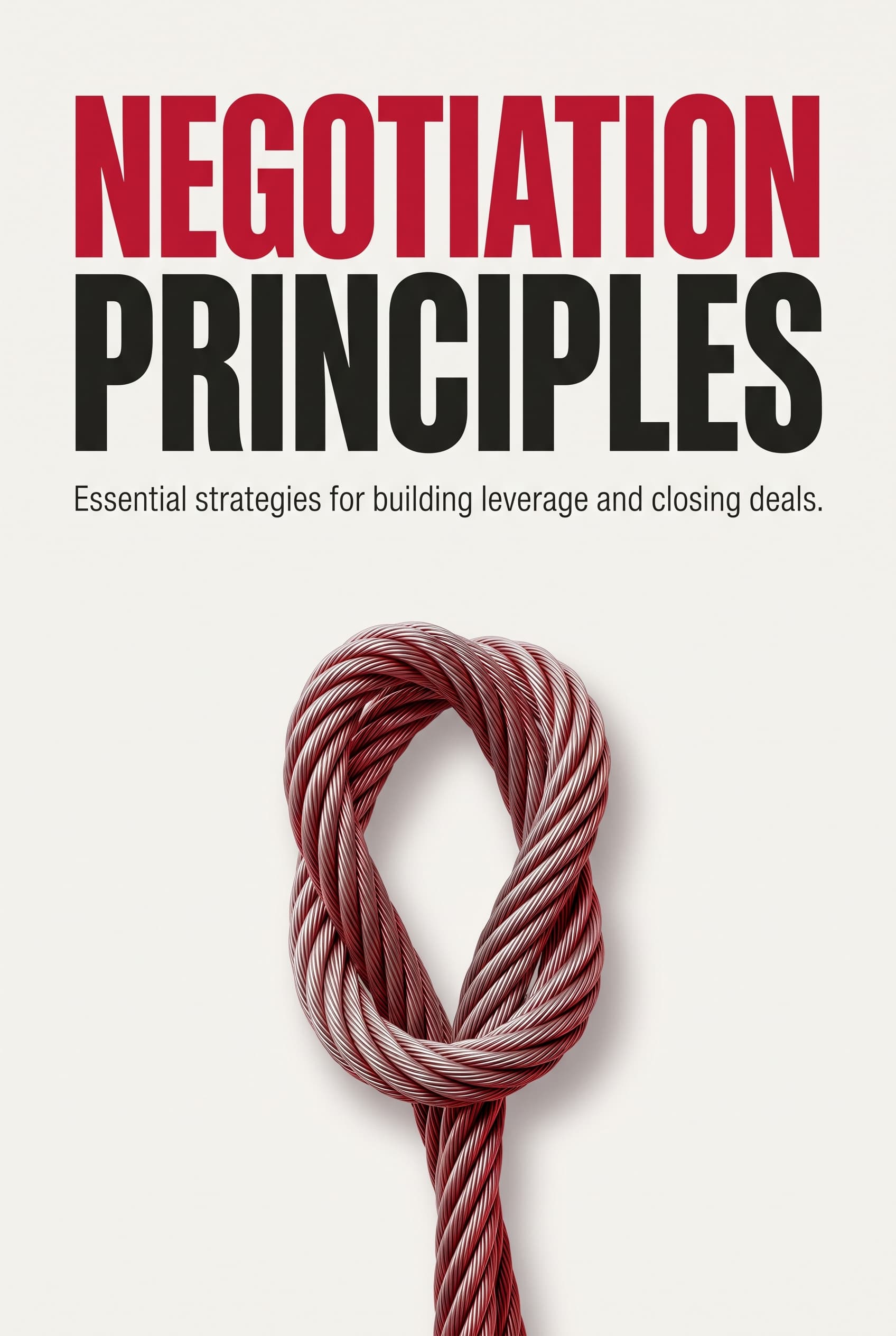
Negotiation Principles
Twenty original principles for negotiating well — the power you build before you sit down (BATNA, preparation, the walk-away), the moves at the table (anchors, calibrated questions, silence, concessions), the psychology on both sides of it, and deals designed to expand the pie and survive the handshake. Ethical, practical, and built for repeated games.

On the Origin of Species
Charles Darwin (1859)
Charles Darwin's 1859 revolution in 25 cards: how variation, the struggle for existence, and natural selection together explain the origin, kinship, and endless diversity of all living things — his one long argument, made plain.
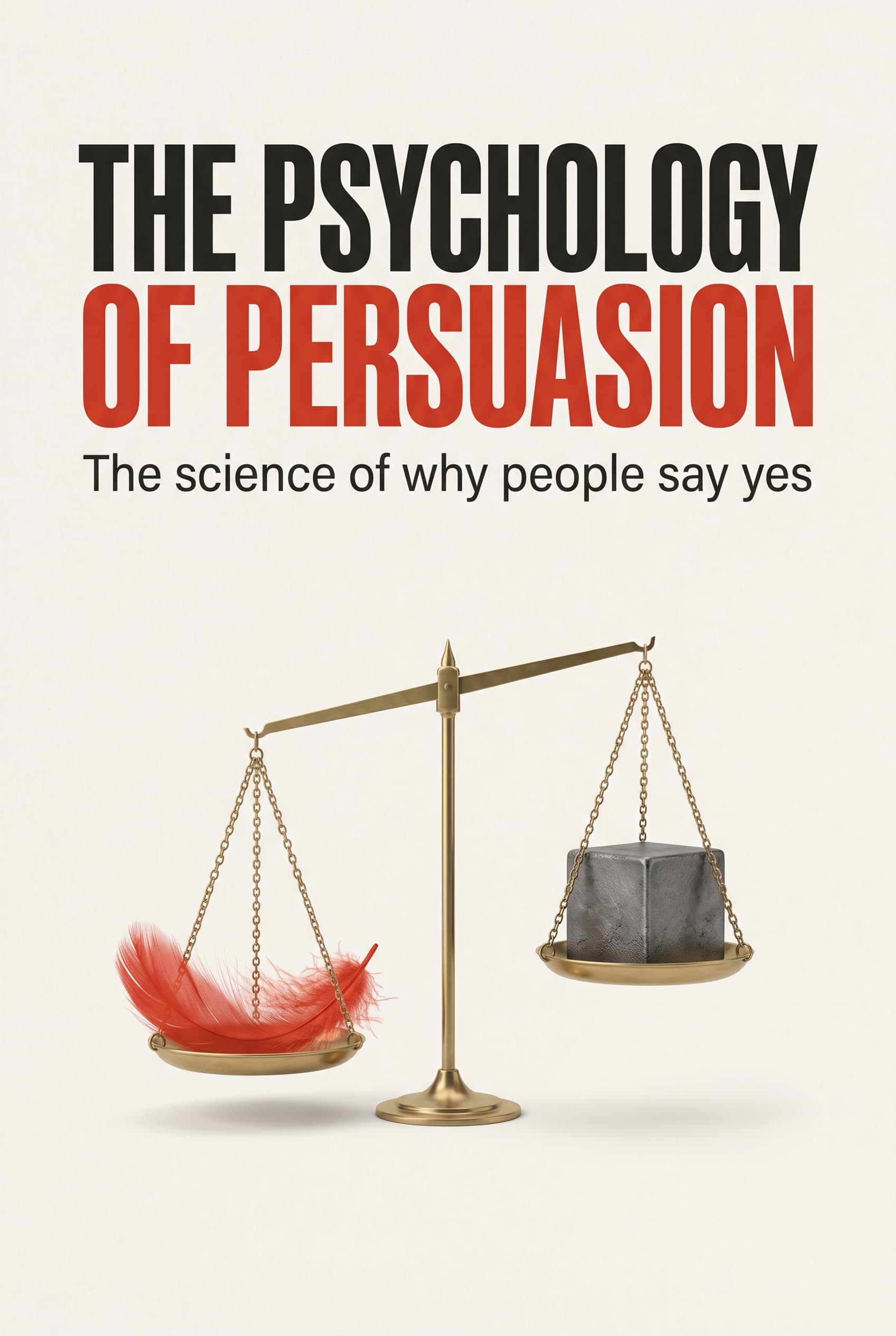
The Psychology of Persuasion
An original synthesis of the science of influence — why people say yes, in 22 cards. From reciprocity and social proof to framing, loss aversion, and choice architecture: each card explains one lever of persuasion, why the mind responds to it, where you'll meet it — and how to pull it honestly, or notice it being pulled on you.
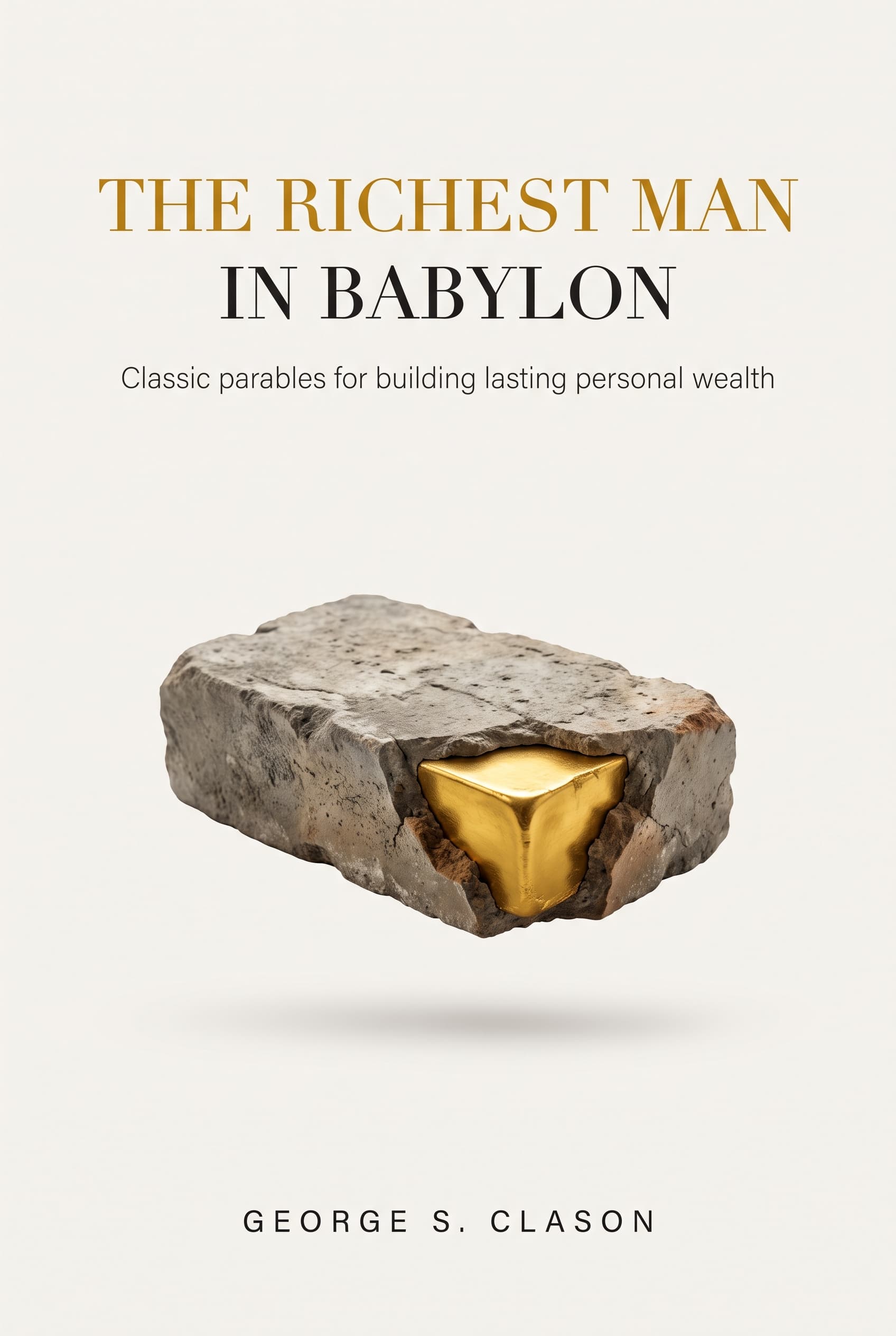
The Richest Man in Babylon
George S. Clason (1926)
George S. Clason's 1926 classic in 21 cards: timeless personal-finance lessons taught through the parables of ancient Babylon — pay yourself first, control spending, make your gold multiply, guard your capital, escape debt, and let diligence build the fortune. Practical money habits from the richest man in Babylon.

Rules of the Road
Universal safe-driving concepts, not a state test cram sheet: how to read signs by shape and color, who really has right-of-way, matching speed to conditions, lane discipline, bad-weather and night hazards, impairment and distraction, and what to do at a stop, breakdown, or crash. Exact limits and laws vary by state and country — always confirm the specifics in your local driver's handbook.
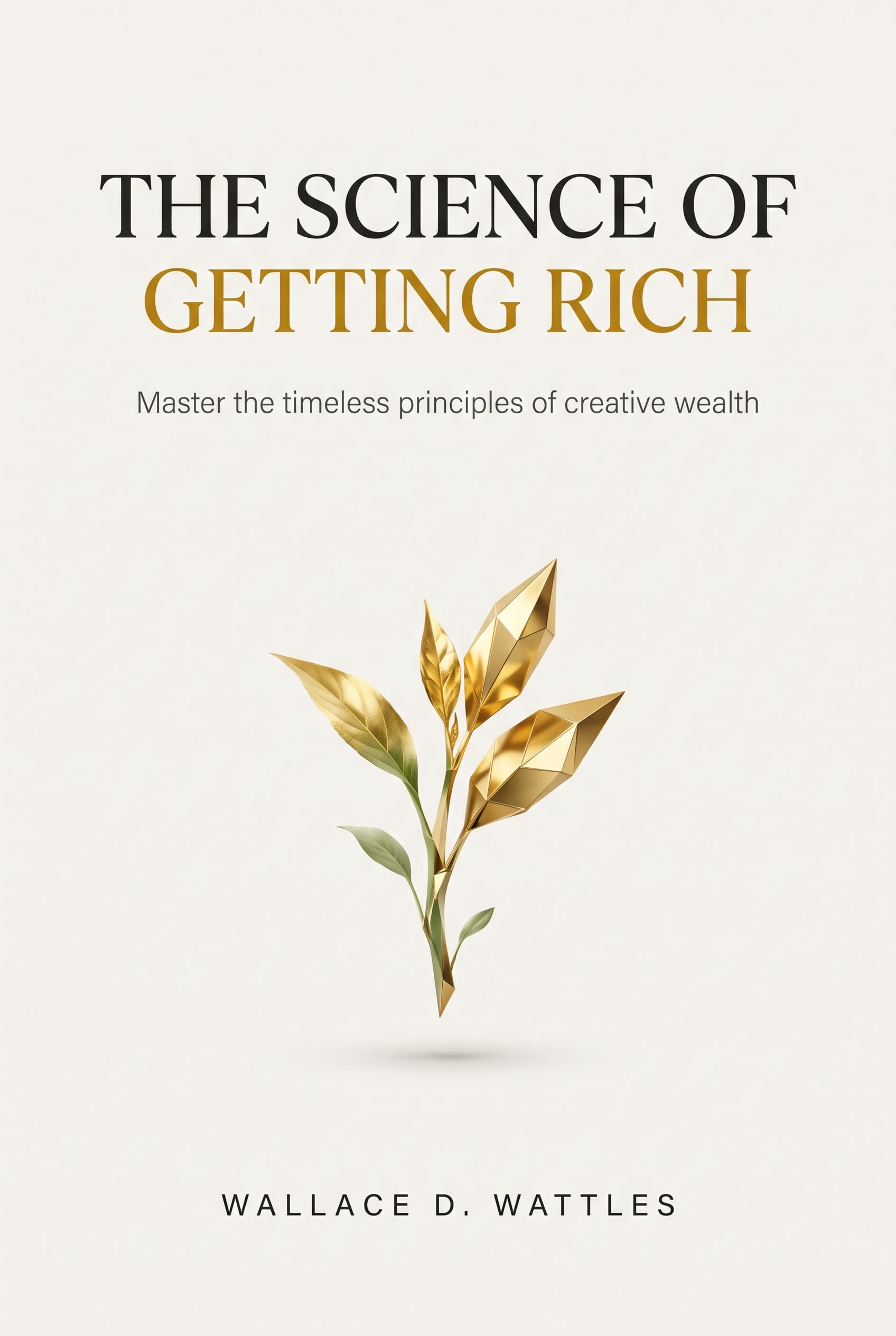
The Science of Getting Rich
Wallace D. Wattles (1910)
Wallace D. Wattles' 1910 wealth manifestation classic distilled into actionable cards
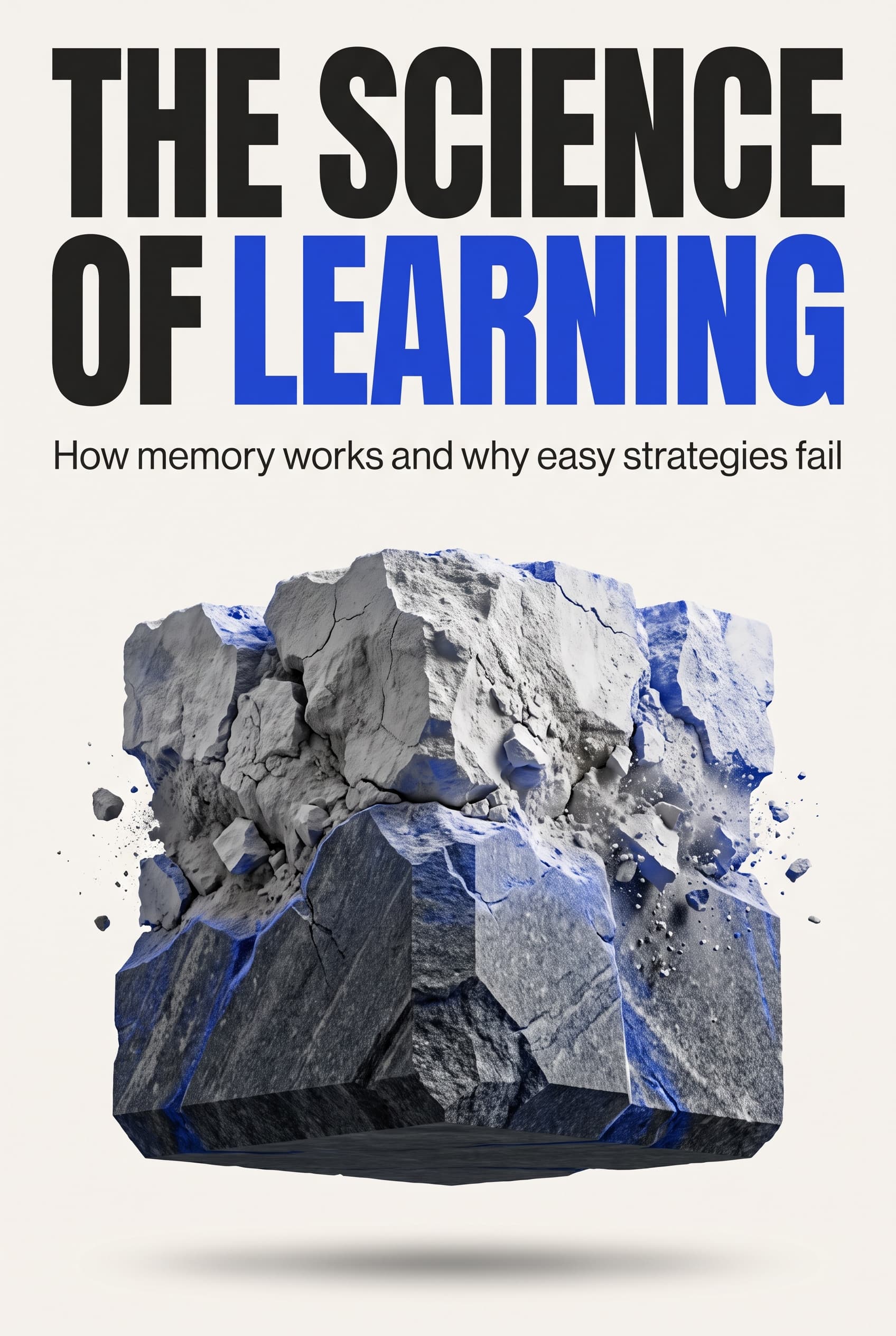
The Science of Learning
How humans actually learn and remember — and why the strategies that feel best often work worst. Twenty-five original cards on retrieval, spacing, interleaving, and desirable difficulties; the illusions that fool studious minds; explanation, examples, and transfer; and the habits, sleep, and self-belief that turn effort into durable knowledge. Grounded in mainstream cognitive science.
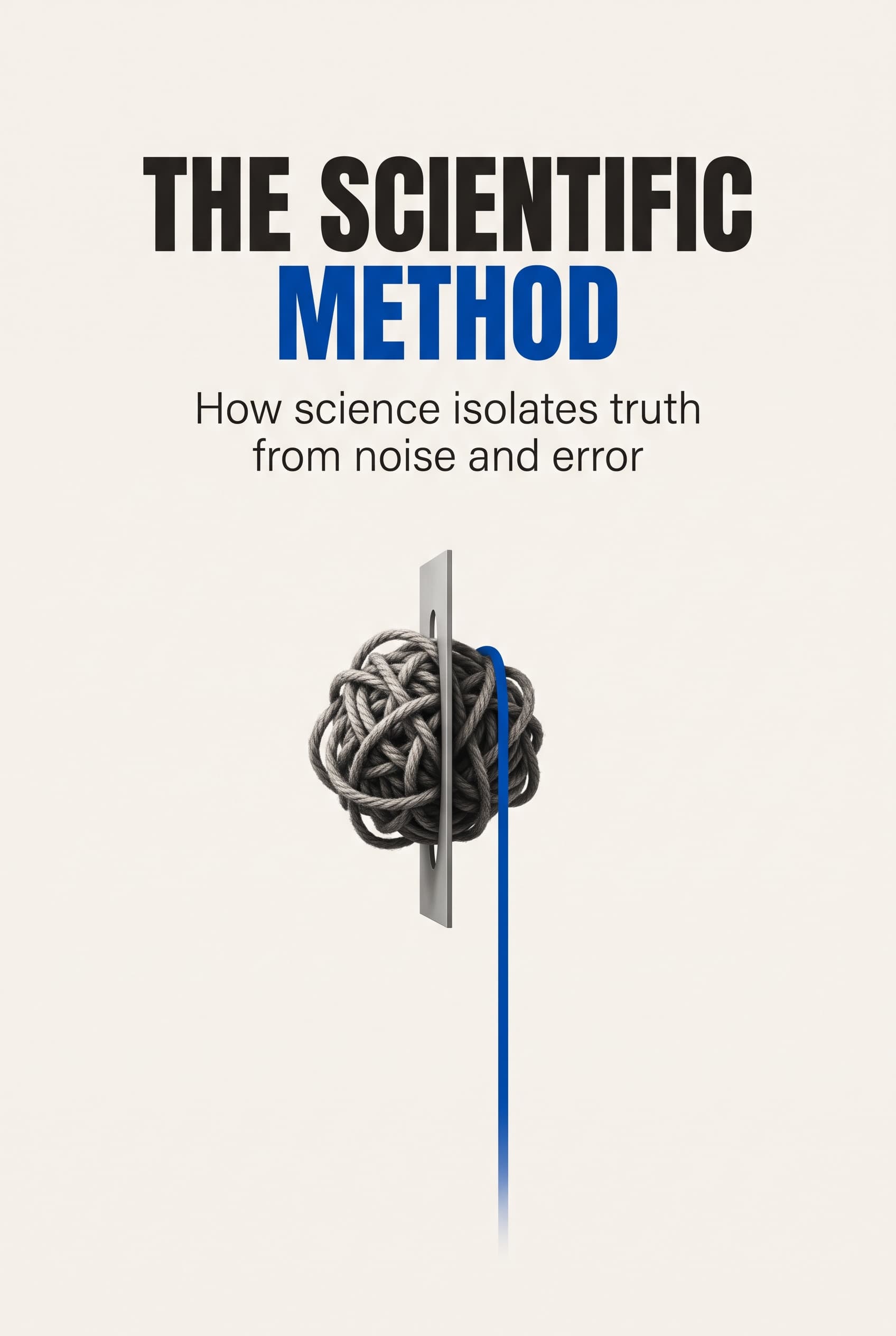
The Scientific Method
How science actually produces reliable knowledge — the method and its safeguards. From the testable question and the fair experiment to p-values read honestly, replication, and peer review; plus the philosophy underneath: falsifiability, parsimony, paradigm shifts, and why real science stays forever revisable.
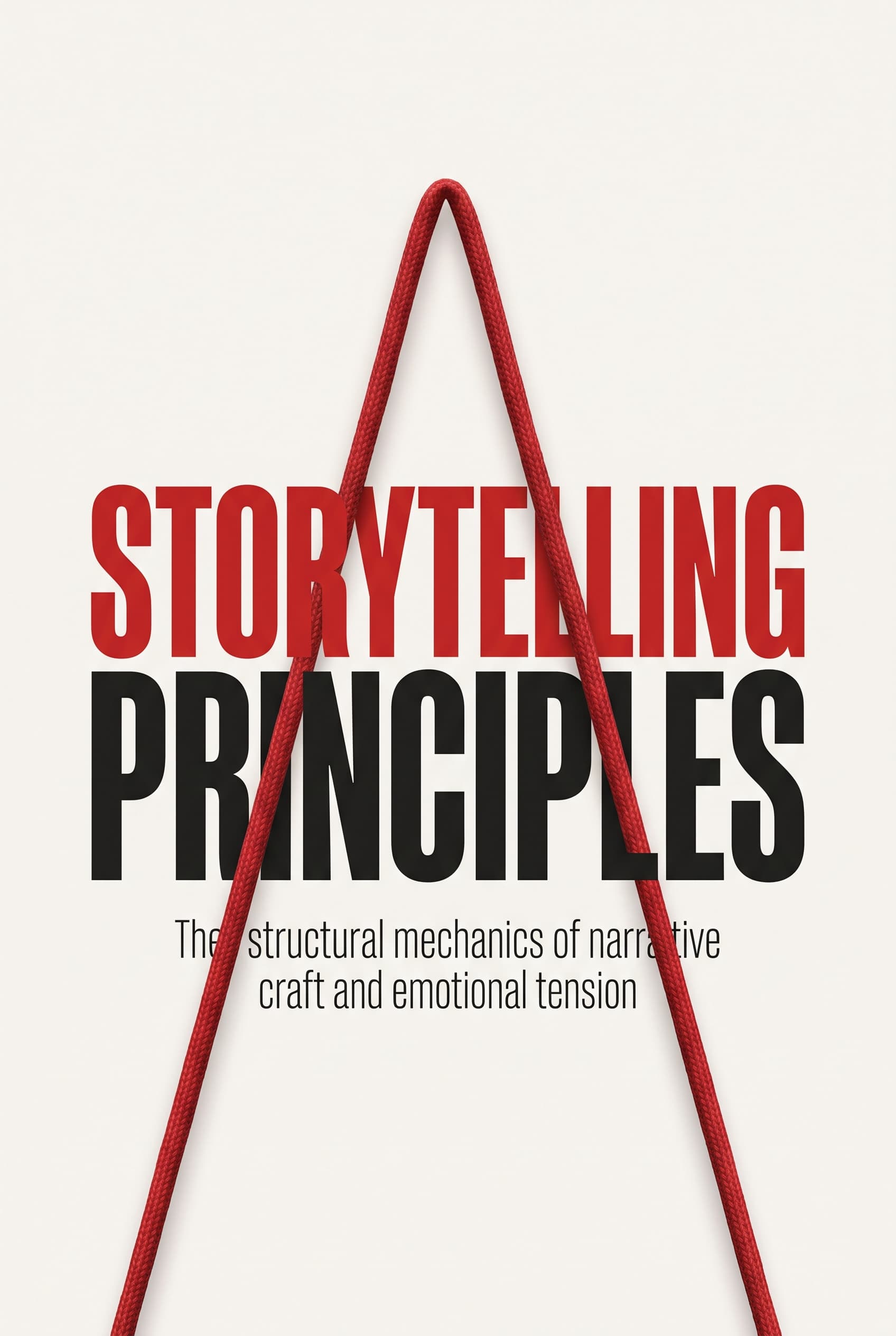
Storytelling Principles
Twenty-six original principles of storytelling craft — why minds run on narrative, the ingredients no story survives without (stakes, character, conflict, the telling detail), the structure that carries attention from opening promise to paid-off ending, the working craft of curiosity, escalation, and cutting, live delivery, and story put to work in pitches, data, and the one you tell yourself.
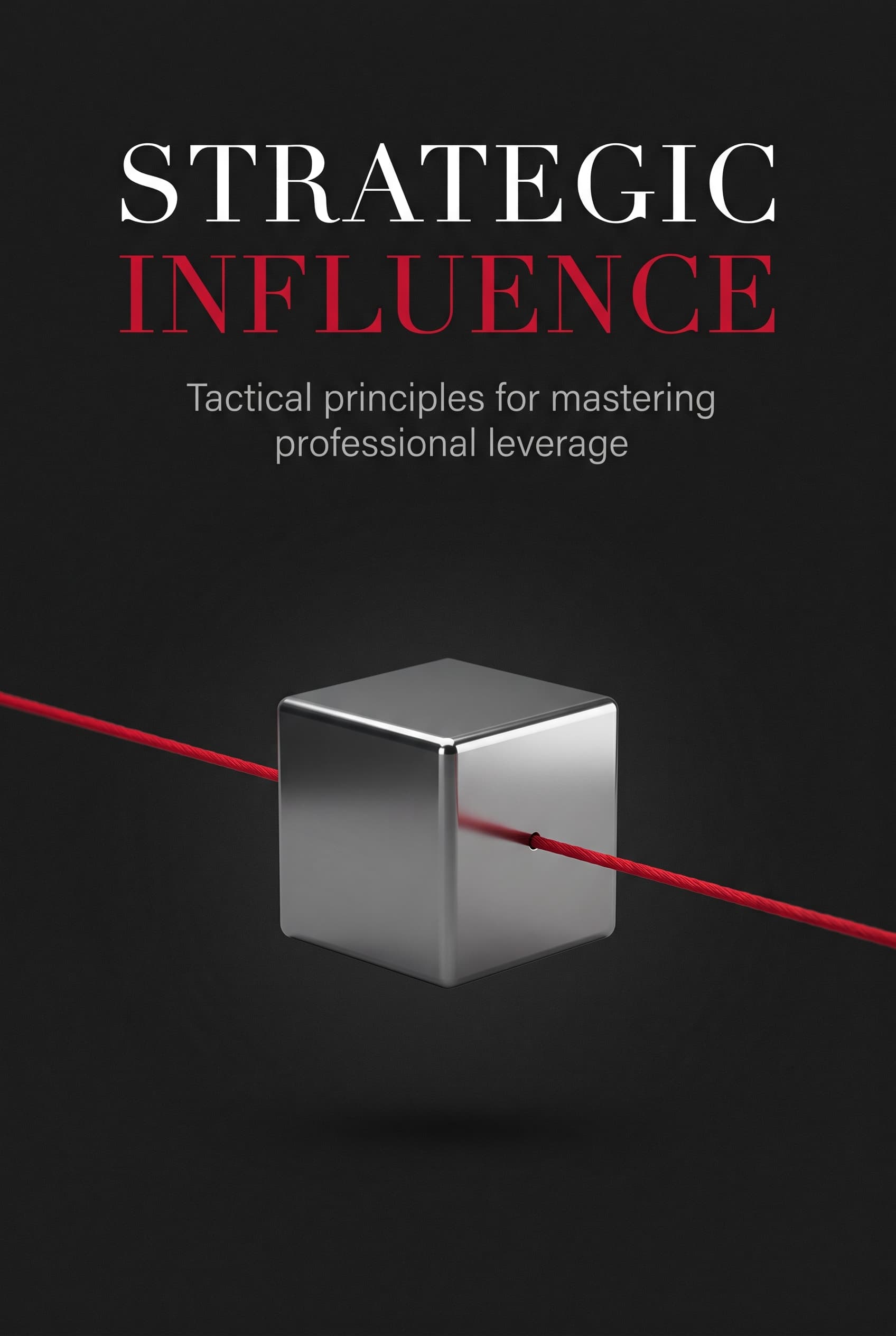
Strategic Influence
Original strategic principles for the modern professional
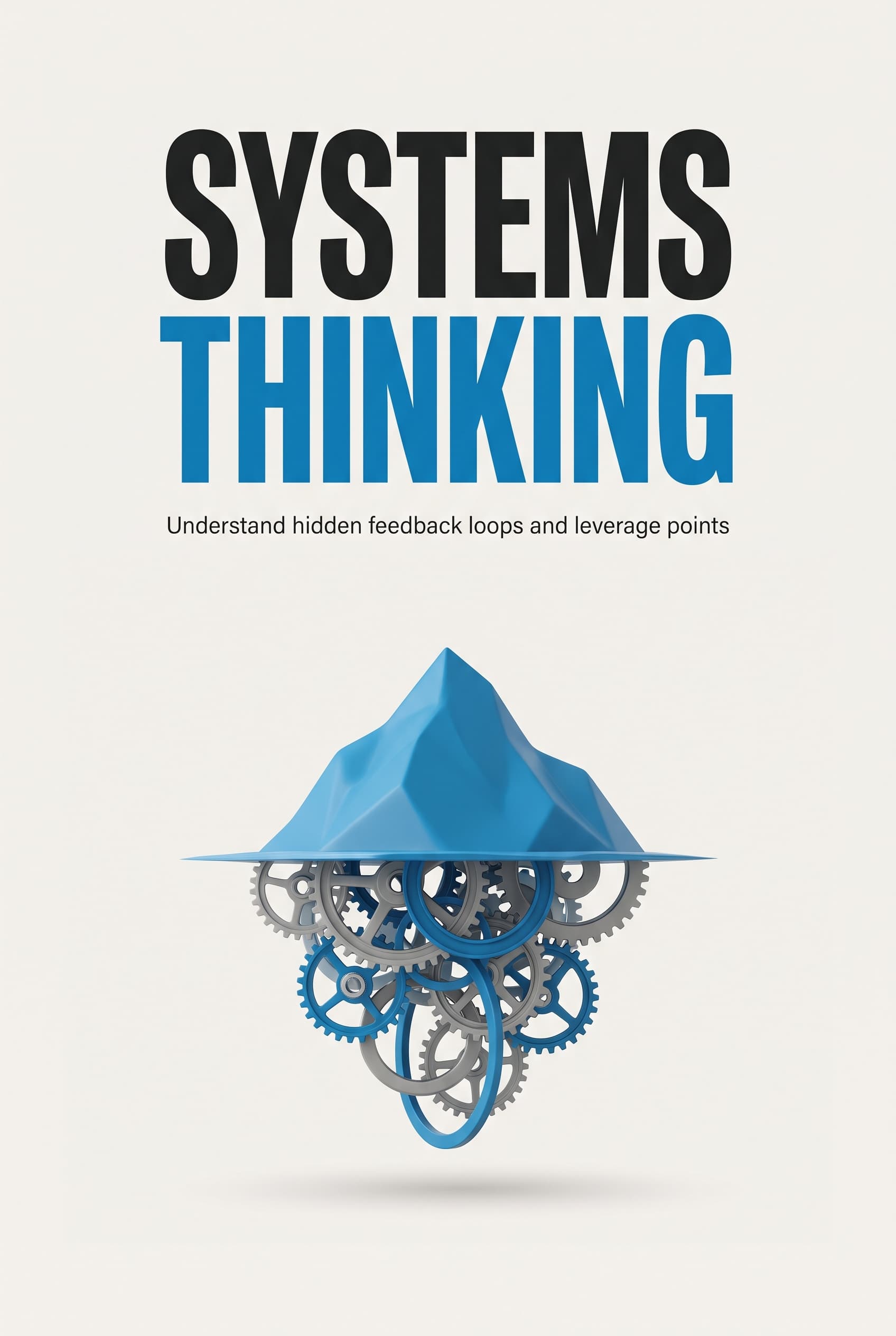
Systems Thinking
Understand and change complex systems the way systems thinkers do: stocks and flows, feedback loops and delays, why structure drives behavior, the traps systems fall into, and where to intervene — from weak parameters up to the goals and paradigms that carry the most leverage. Thirty-five original cards, credited to the field's founders.
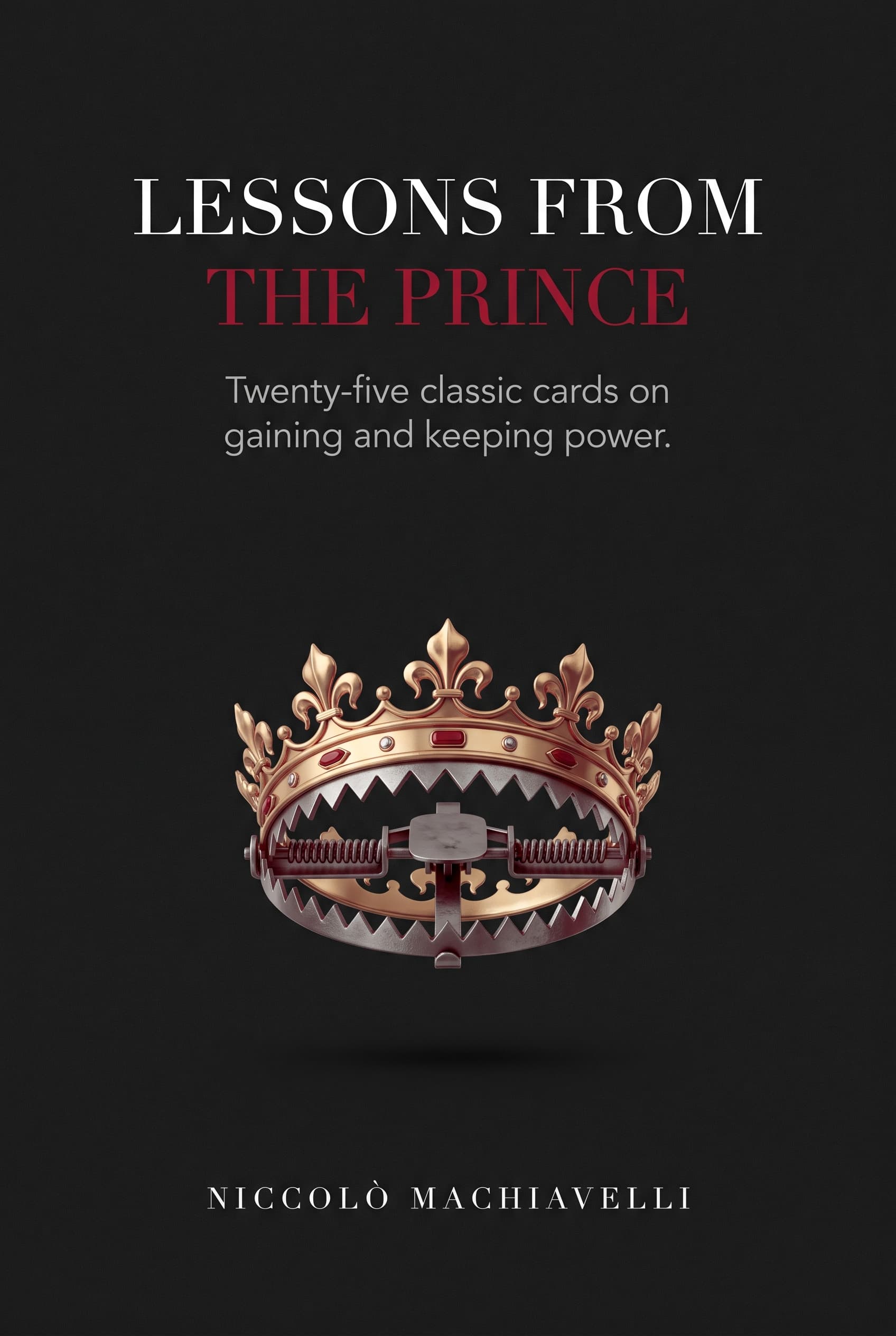
The Prince
Niccolò Machiavelli (1532)
Machiavelli's unflinching 1513 manual of power in 25 cards — how new power is won and kept, how reputation, fear, and alliances really work, and why fortune concedes half the game to skill. Presented analytically, never as endorsement: his observations of politics as it is, translated into legitimate lessons for modern leadership, negotiation, and survival.

Think and Grow Rich
Napoleon Hill (1937)
Napoleon Hill's 1937 study of what separated Andrew Carnegie, Edison, and Ford from everyone else, in 40 cards: the thirteen principles that turn a definite desire into a plan, a plan into persistence, and persistence into wealth — plus the six fears that quietly stop most people first.