
1,052 cards · 36 decks · 15 minutes a deck
Everything you keep meaning to learn, dealt as cards.
Bitecards distills great books and big subjects into two-sided cards — the idea on the front, the moves on the back. A deck takes about fifteen minutes, and the first 3 cards of every deck are free.
No account needed · no credit card

- Cognitive Biases
- Sun Tzu
- Marcus Aurelius
- Psychology of Persuasion
- Mental Models
- Napoleon Hill
- Logical Fallacies
- Alex Hormozi
- James Allen
- Vyasa
- Car Care Basics
- Decision-Making
- Economic Thinking
- Emotional Intelligence
- Game Theory
- Habit Design
- Hard Conversations
- History of Seattle
- Home Repairs
- Home Systems & Safety
- Innovation & Creativity
- Kitchen Fundamentals
- Viktor E. Frankl
- Negotiation Principles
- Charles Darwin
- Rules of the Road
- Storytelling Principles
- Strategic Influence
- Systems Thinking
- Benjamin Franklin
- Niccolò Machiavelli
- George S. Clason
- Wallace D. Wattles
- Science of Learning
- The Scientific Method
The library
Your next unfair advantage is one deck away.
Sun Tzu on strategy. Marcus Aurelius on composure. Habit design, negotiation, home repair. Each deck distills one subject — classic or practical — into cards you can actually use, and every deck deals its first hand free.
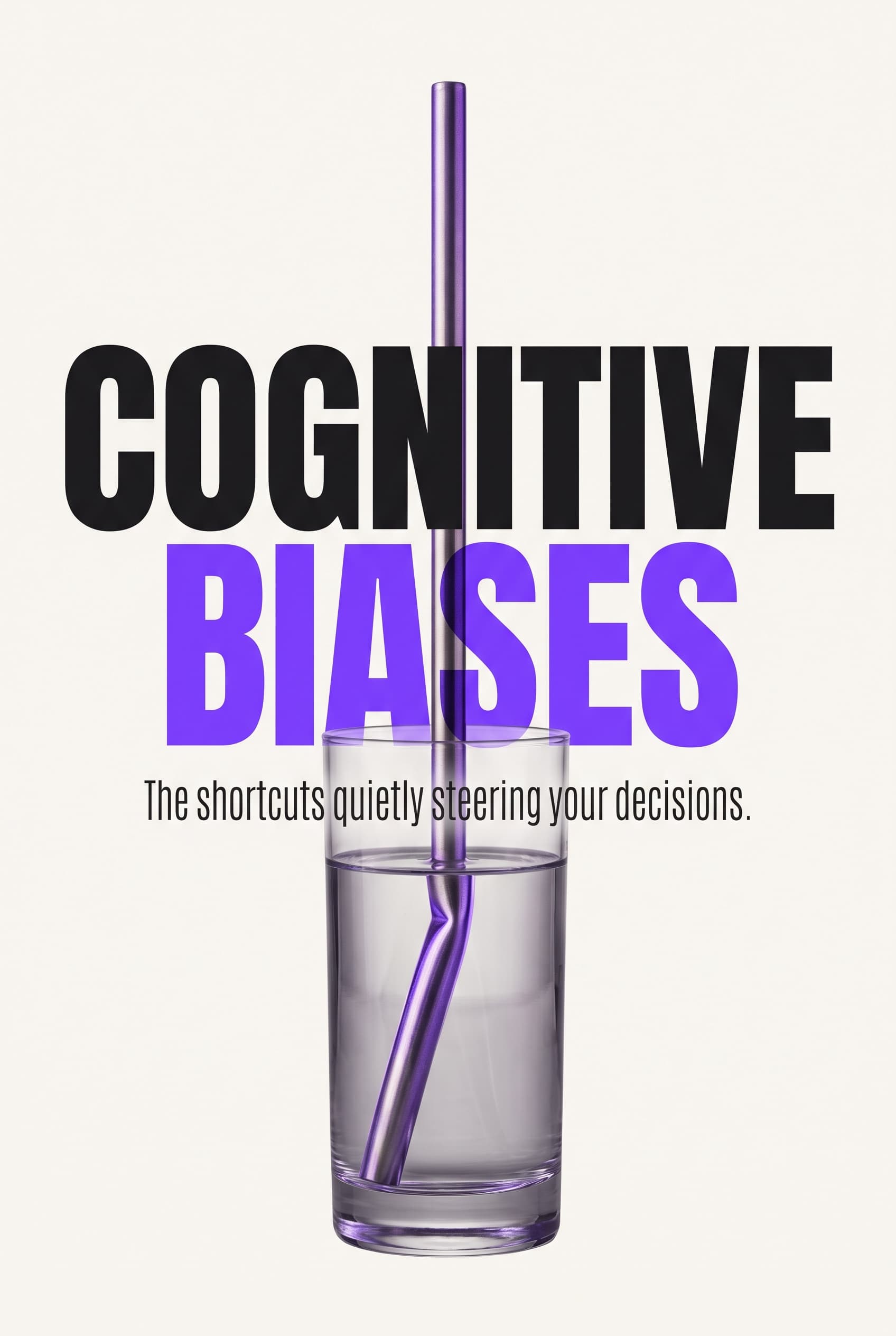 Cognitive Biases
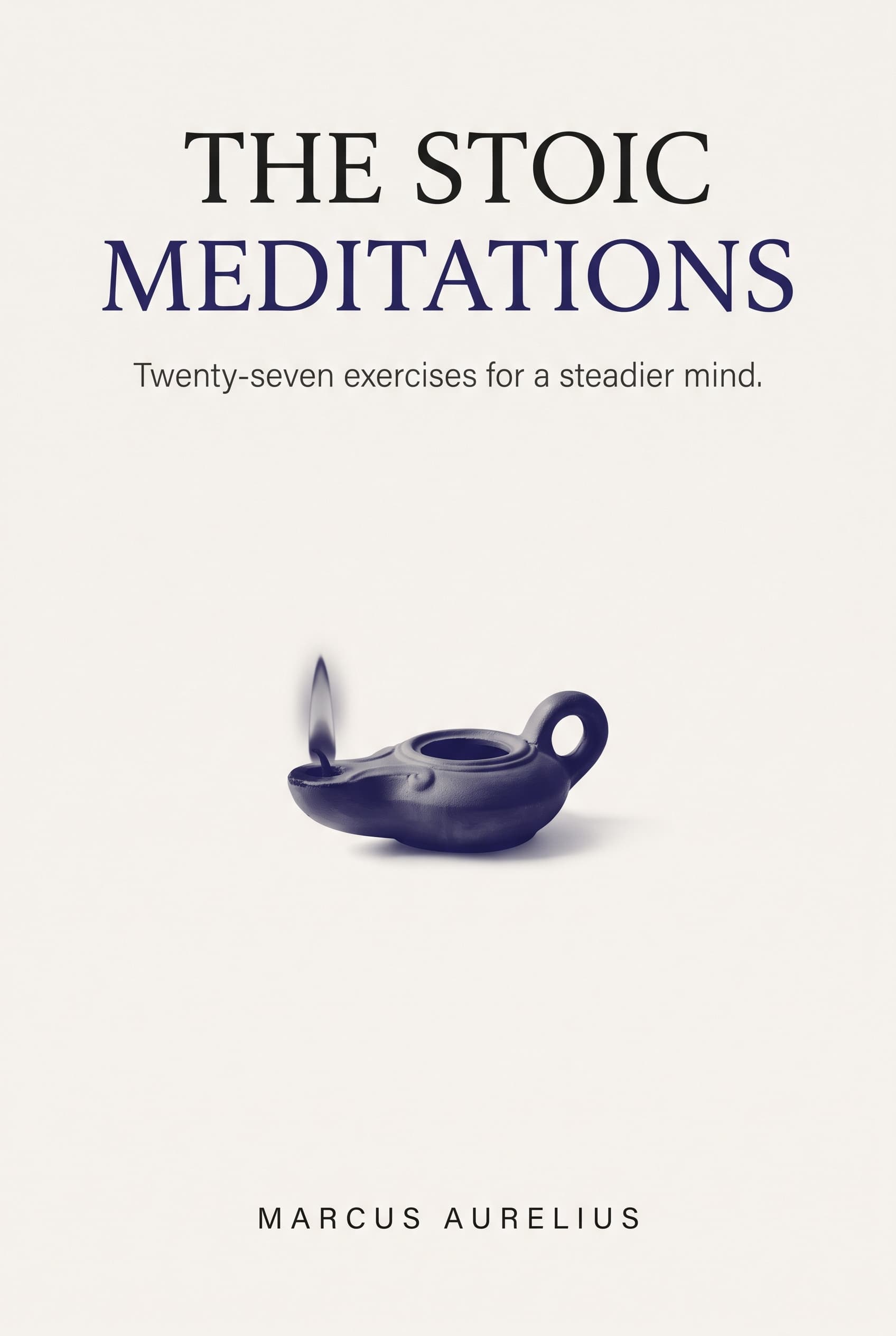 Meditations
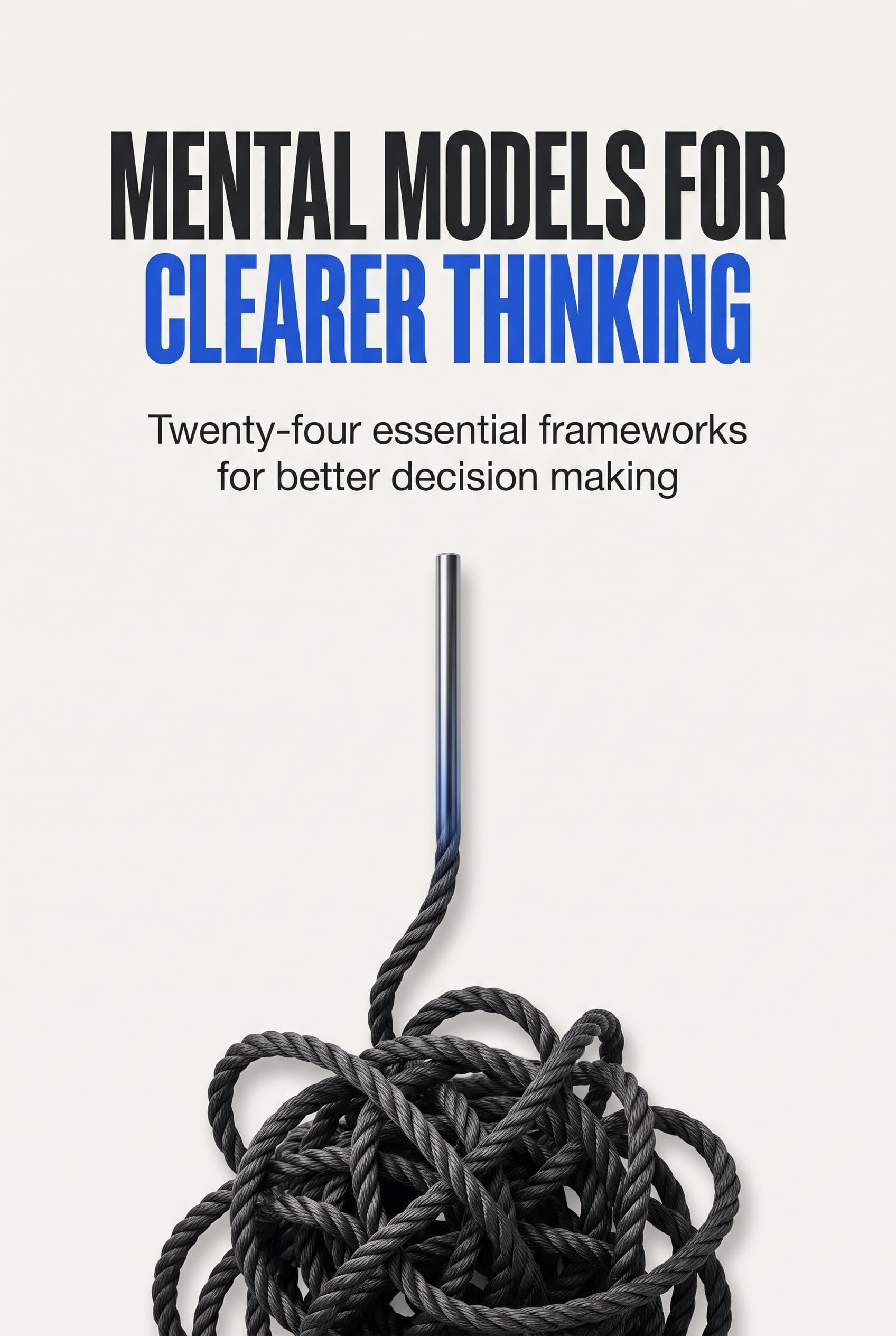 Mental Models for Clearer Thinking
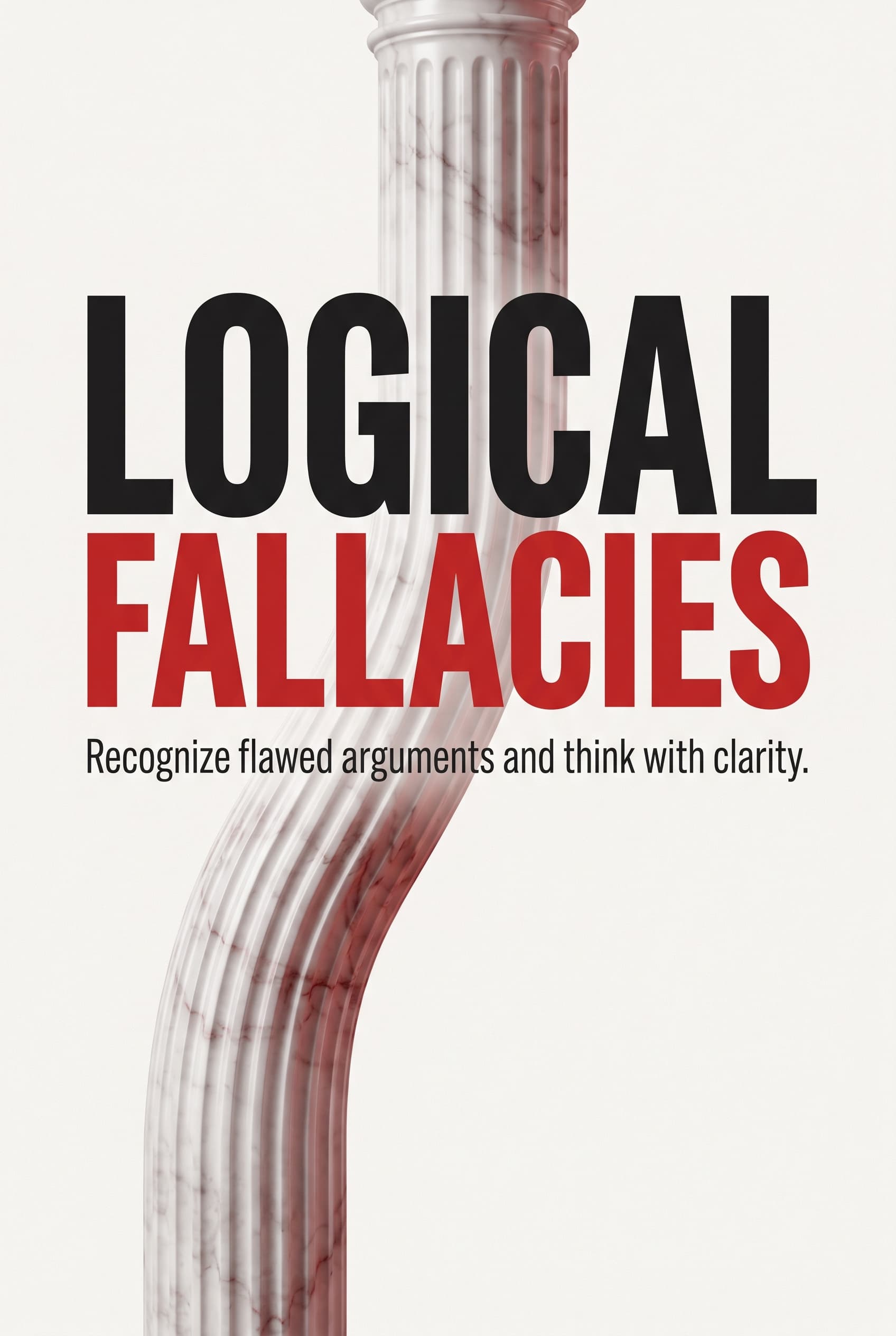 Logical Fallacies
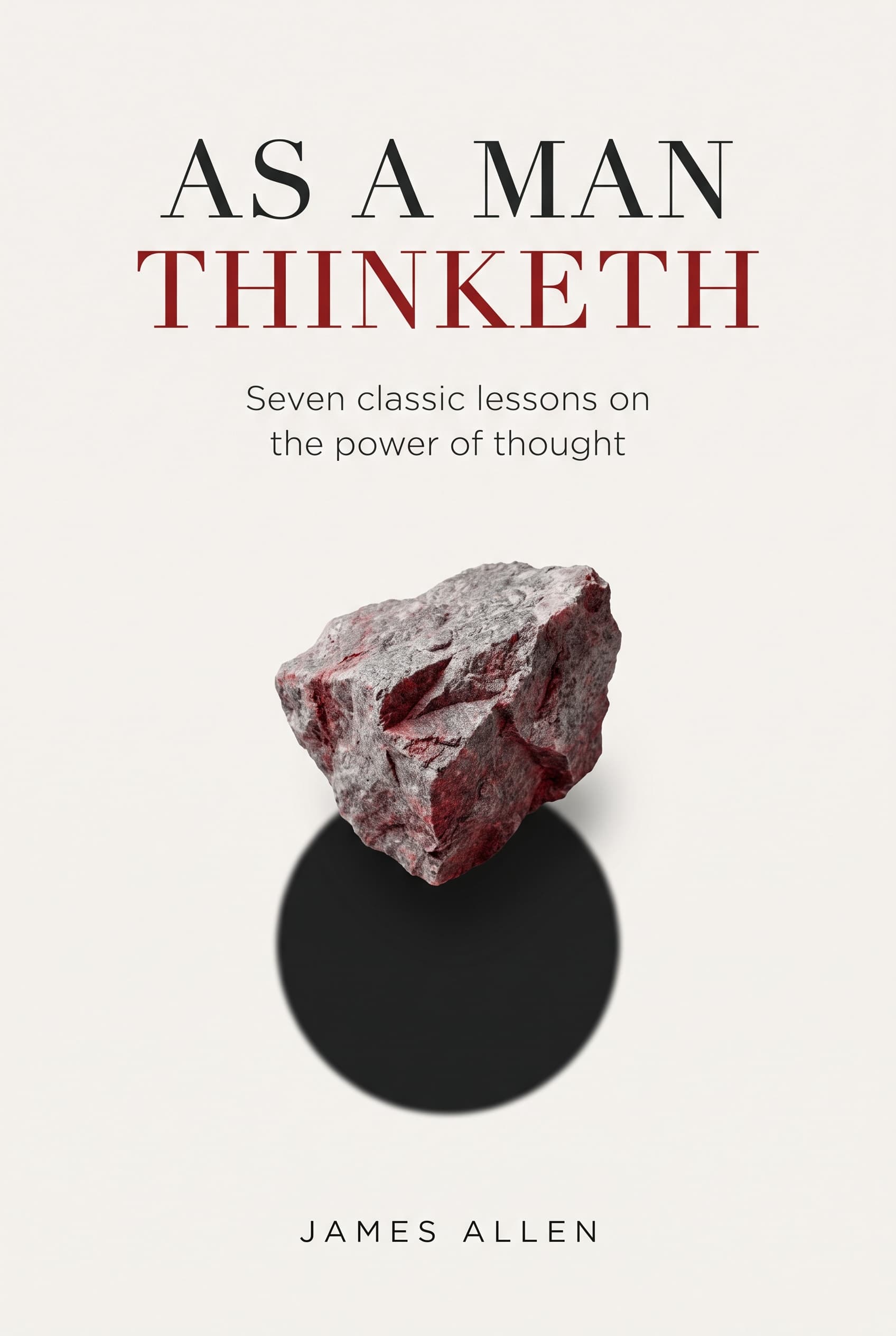 As a Man Thinketh
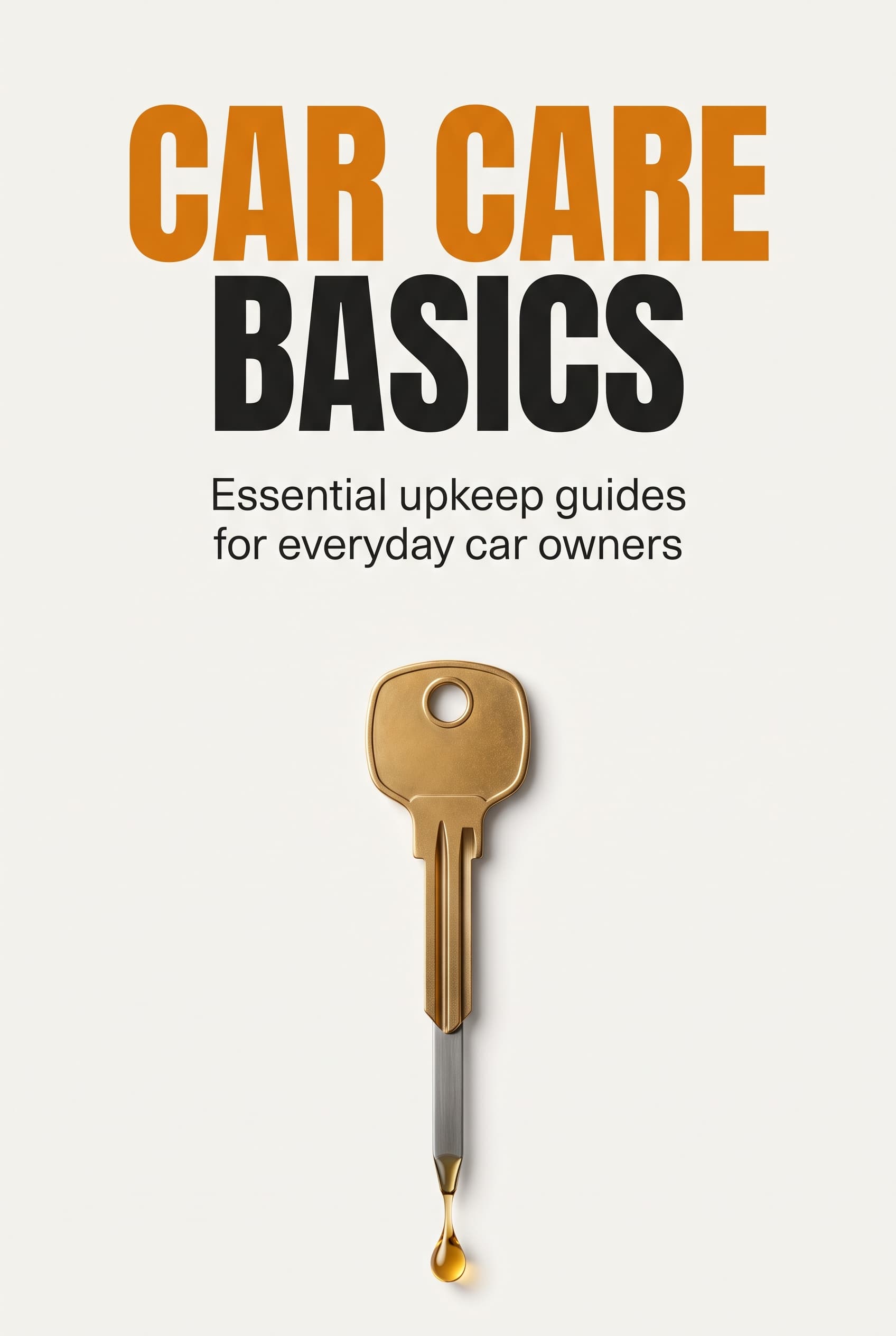 Car Care Basics
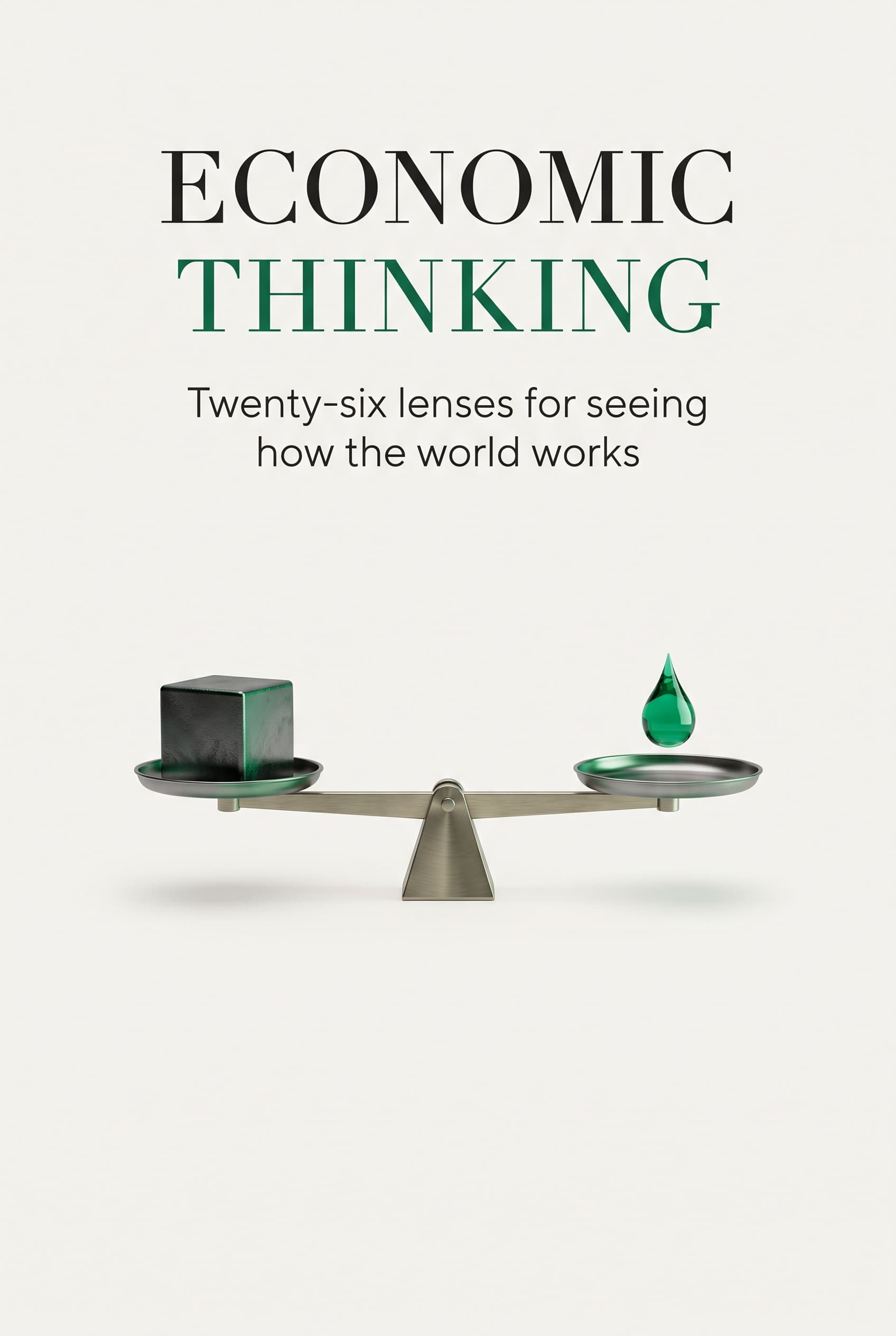 Economic Thinking
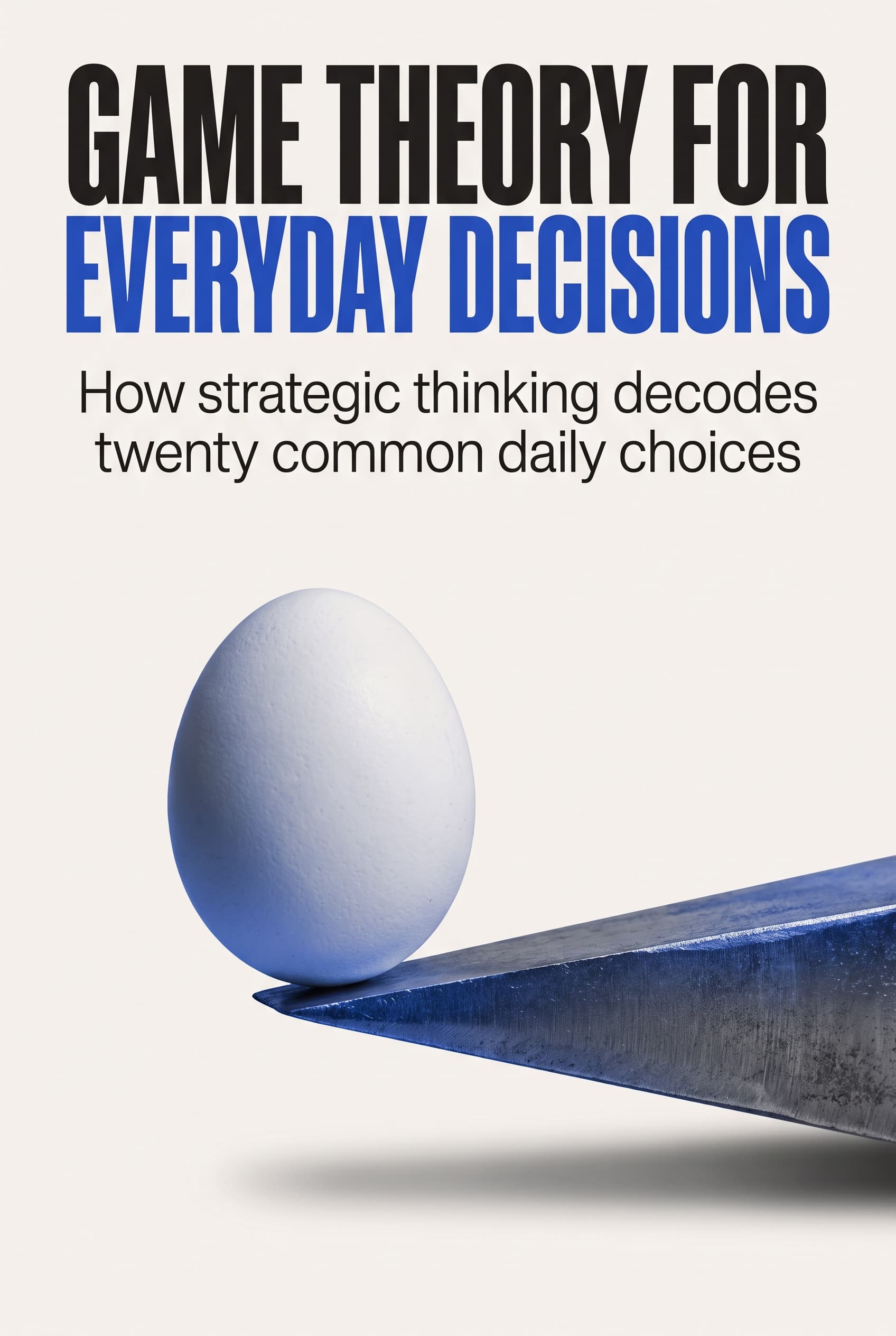 Game Theory for Everyday Decisions
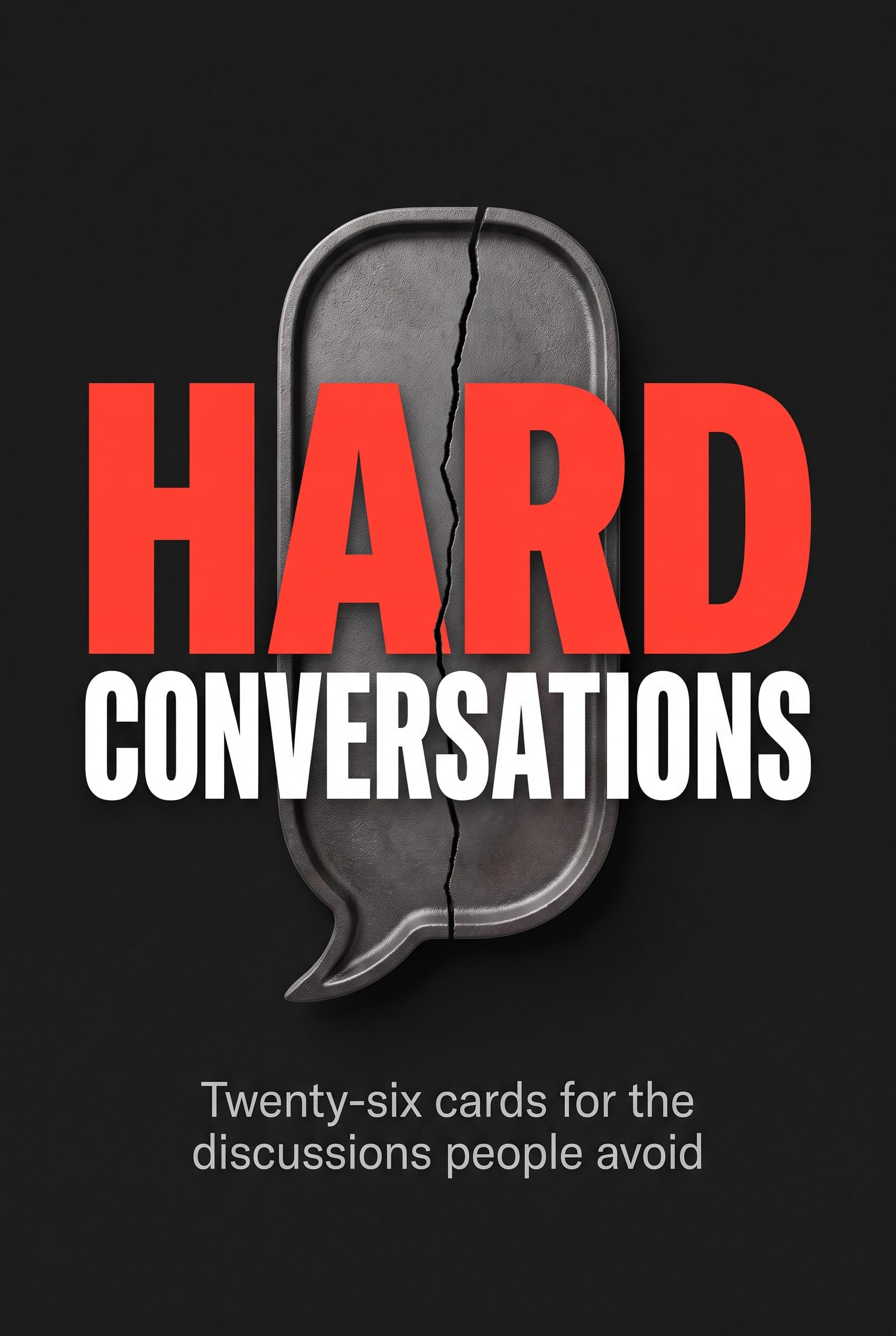 Hard Conversations
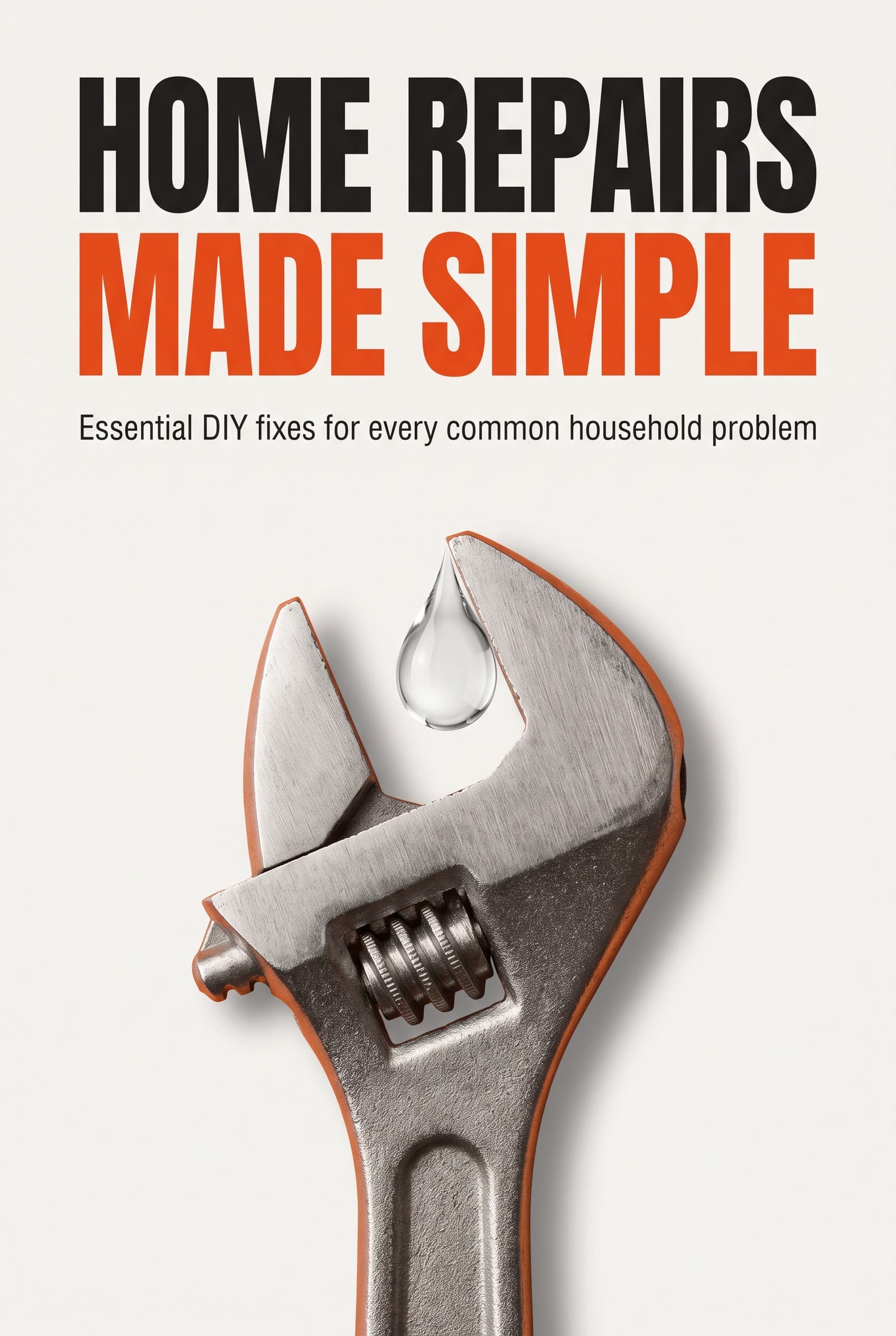 Home Repairs Made Simple
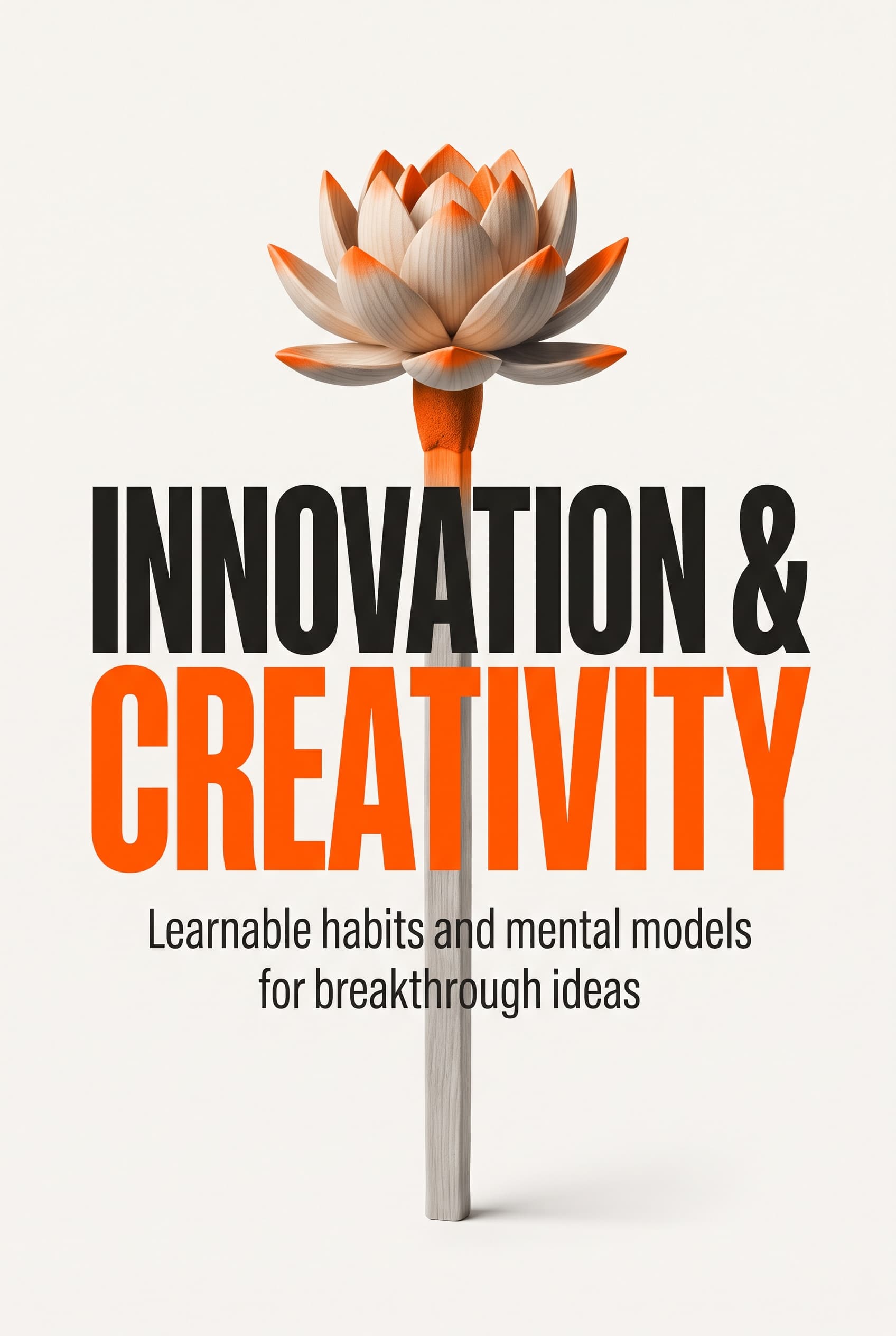 Innovation & Creativity
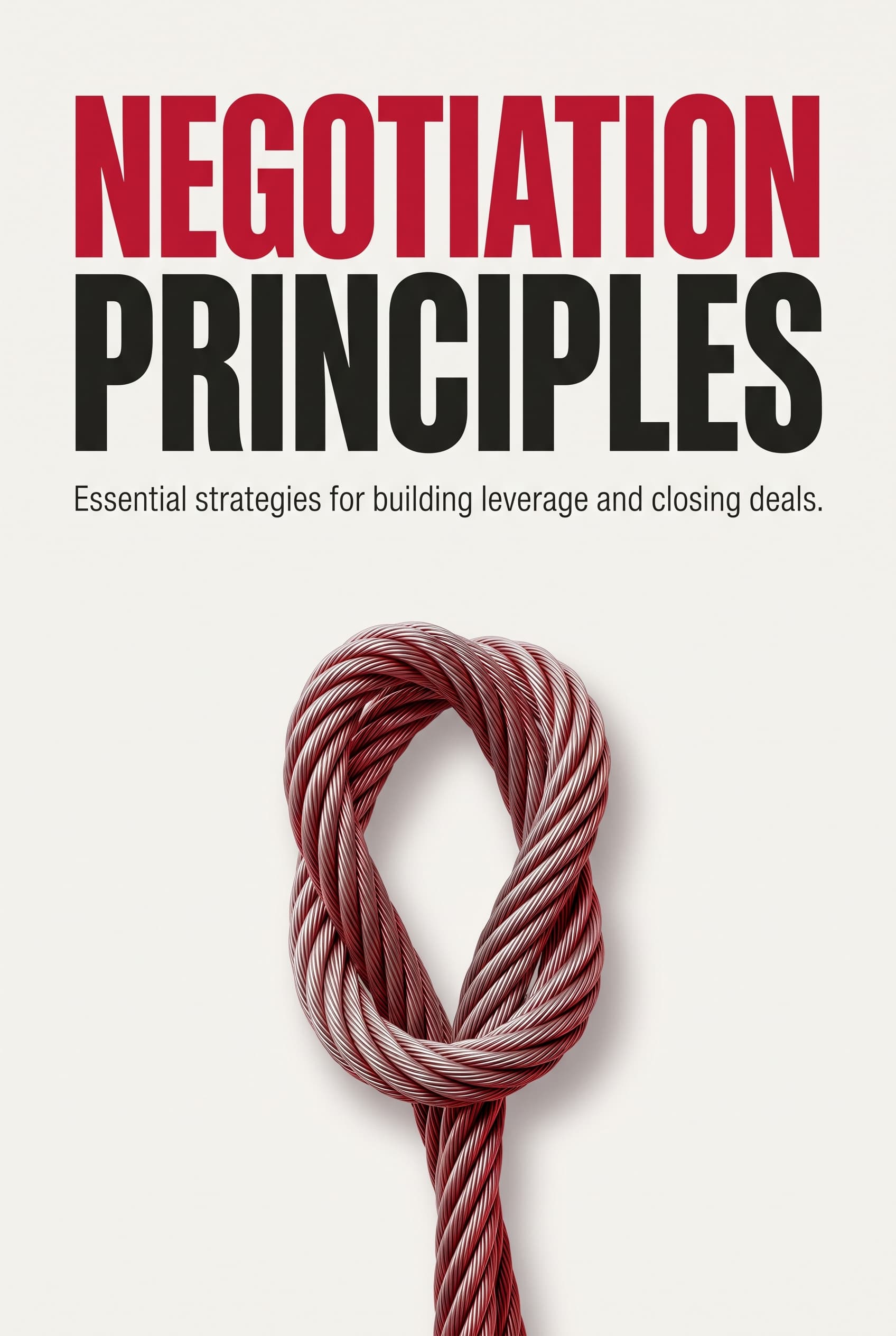 Negotiation Principles
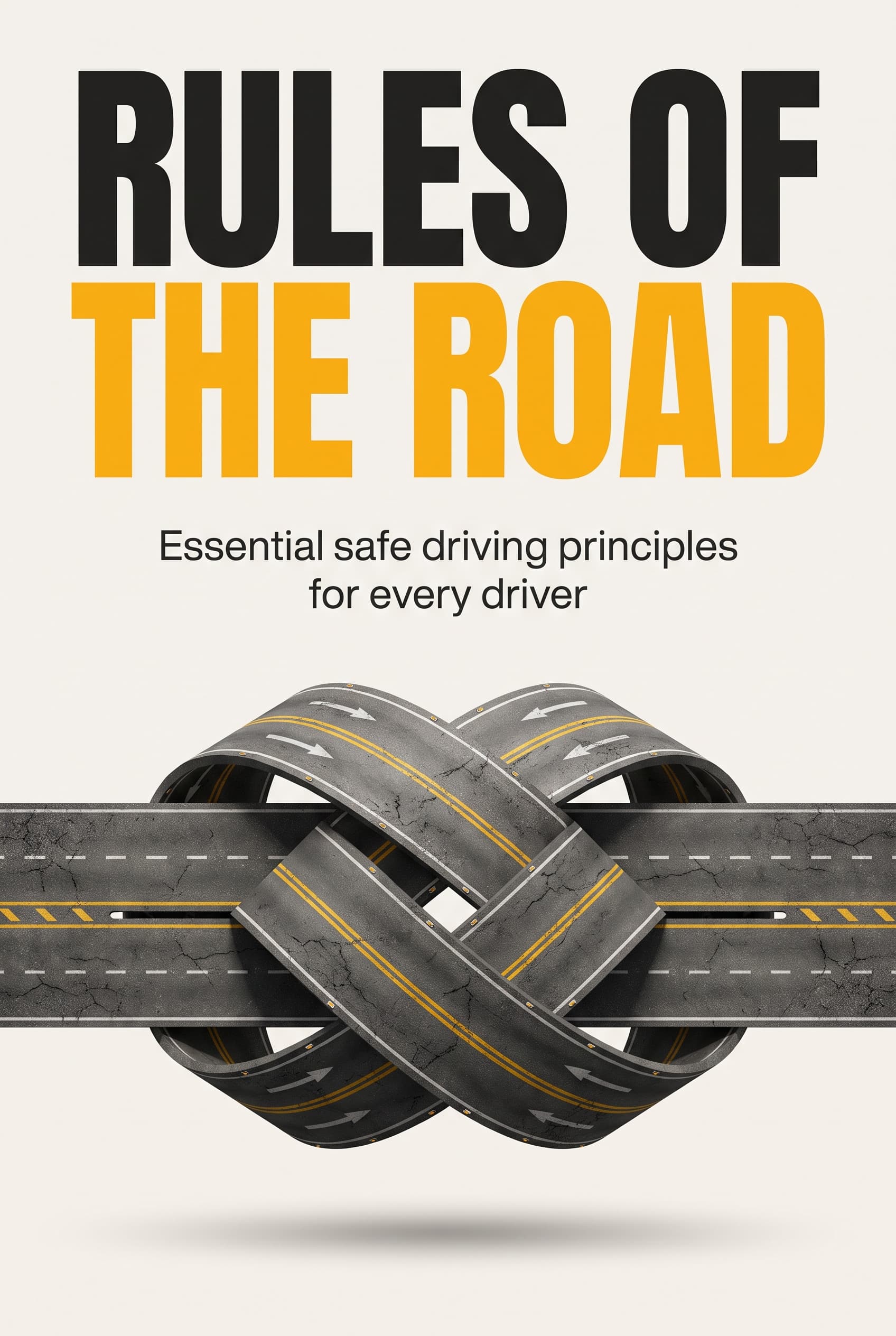 Rules of the Road
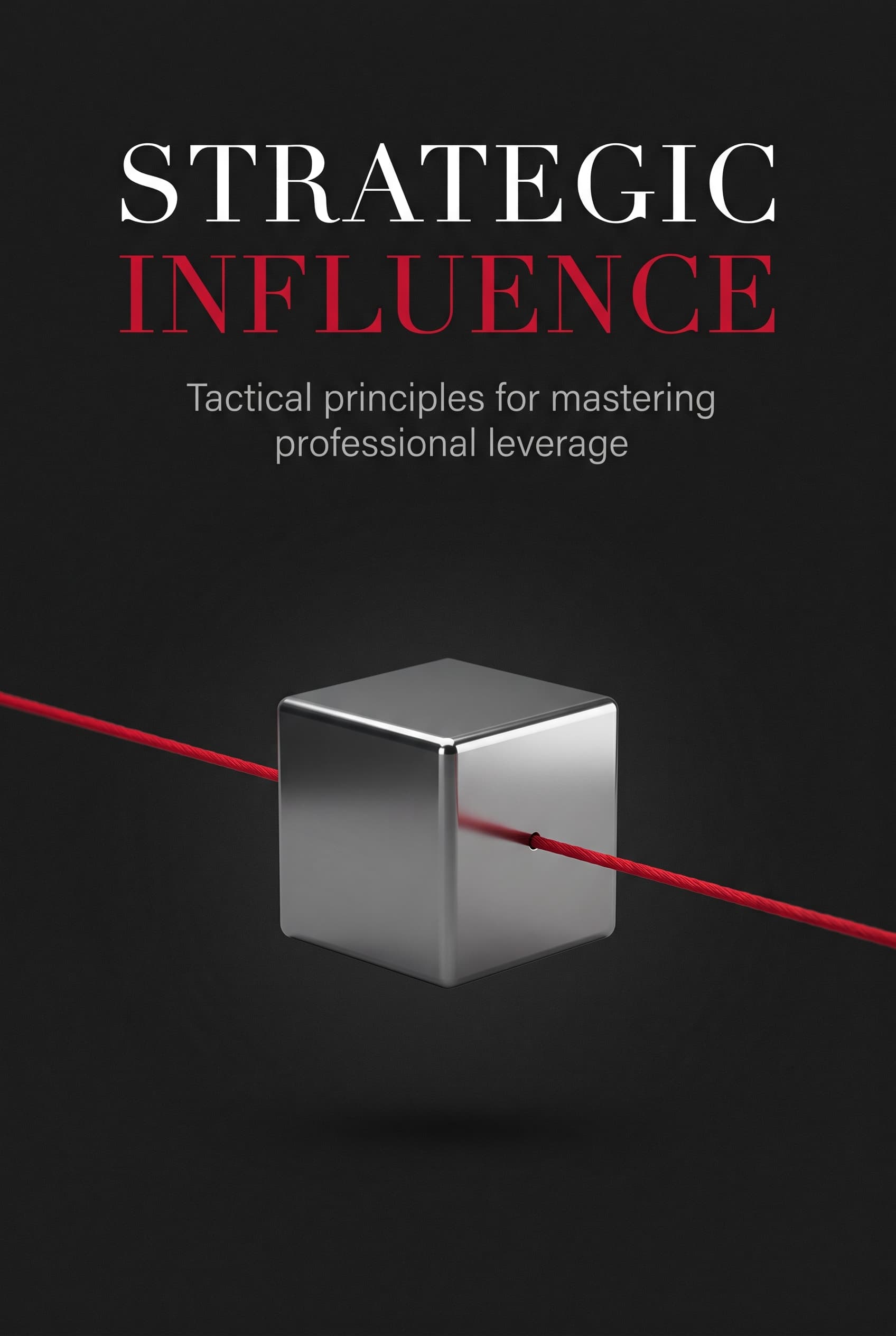 Strategic Influence
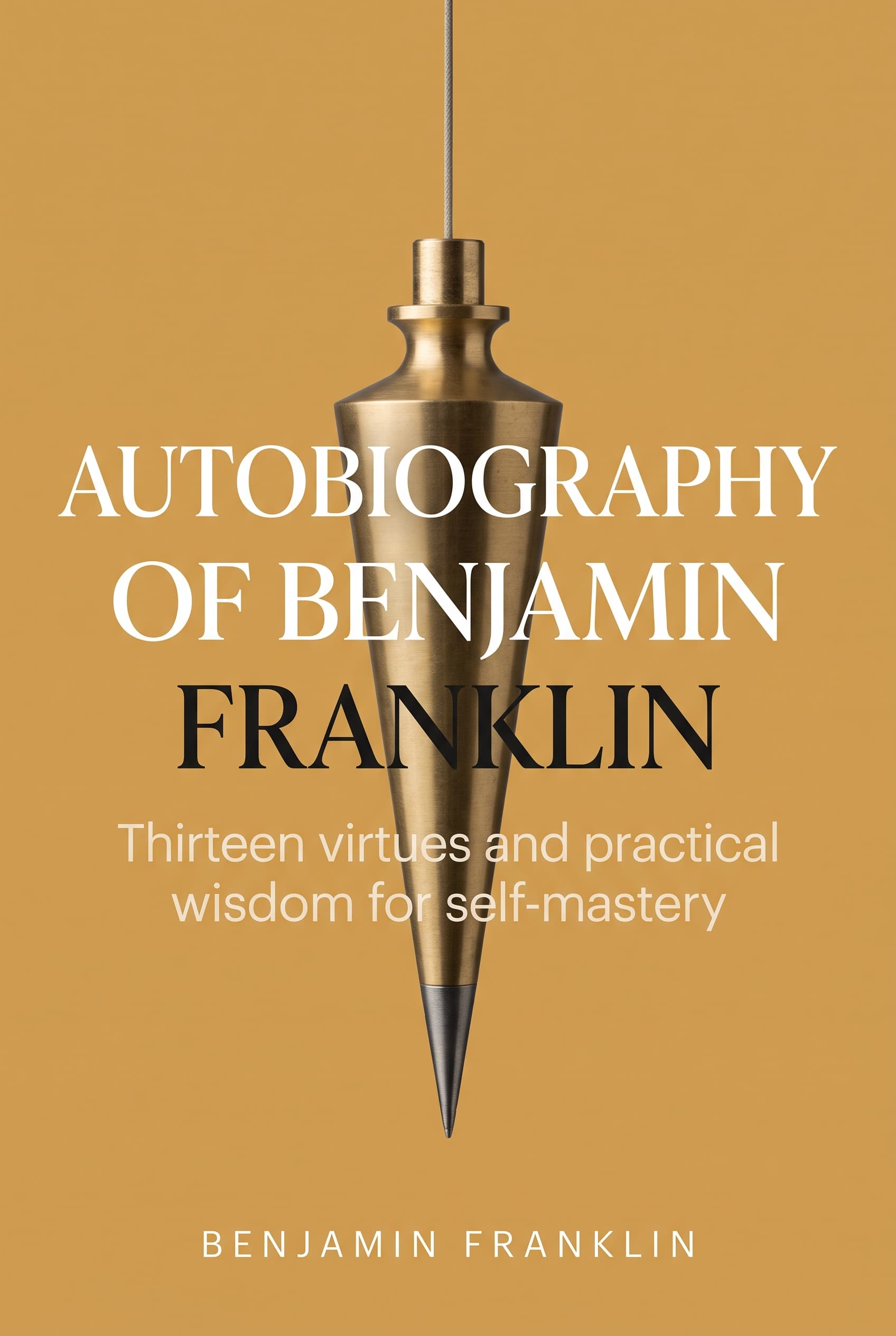 The Autobiography of Benjamin Franklin
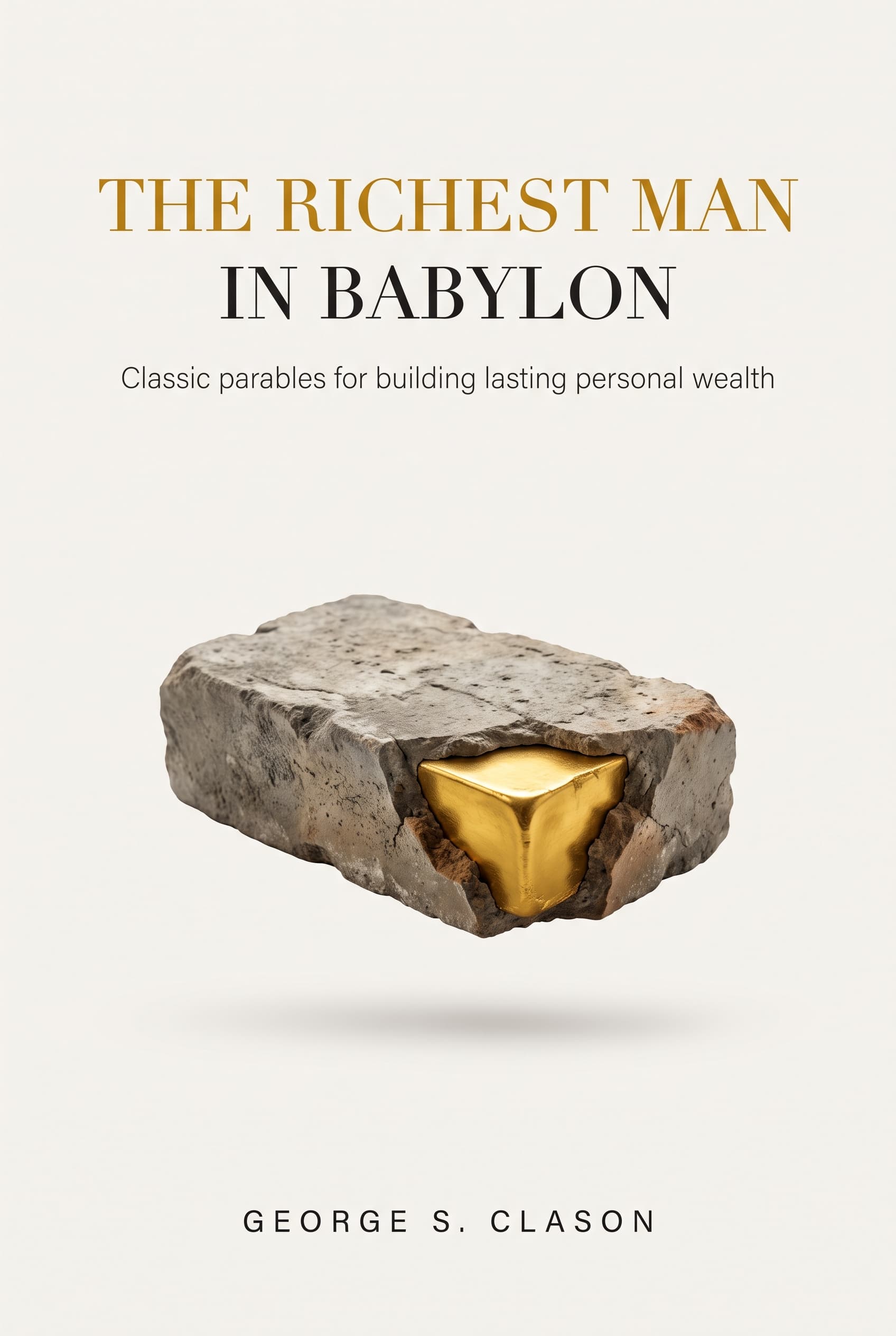 The Richest Man in Babylon
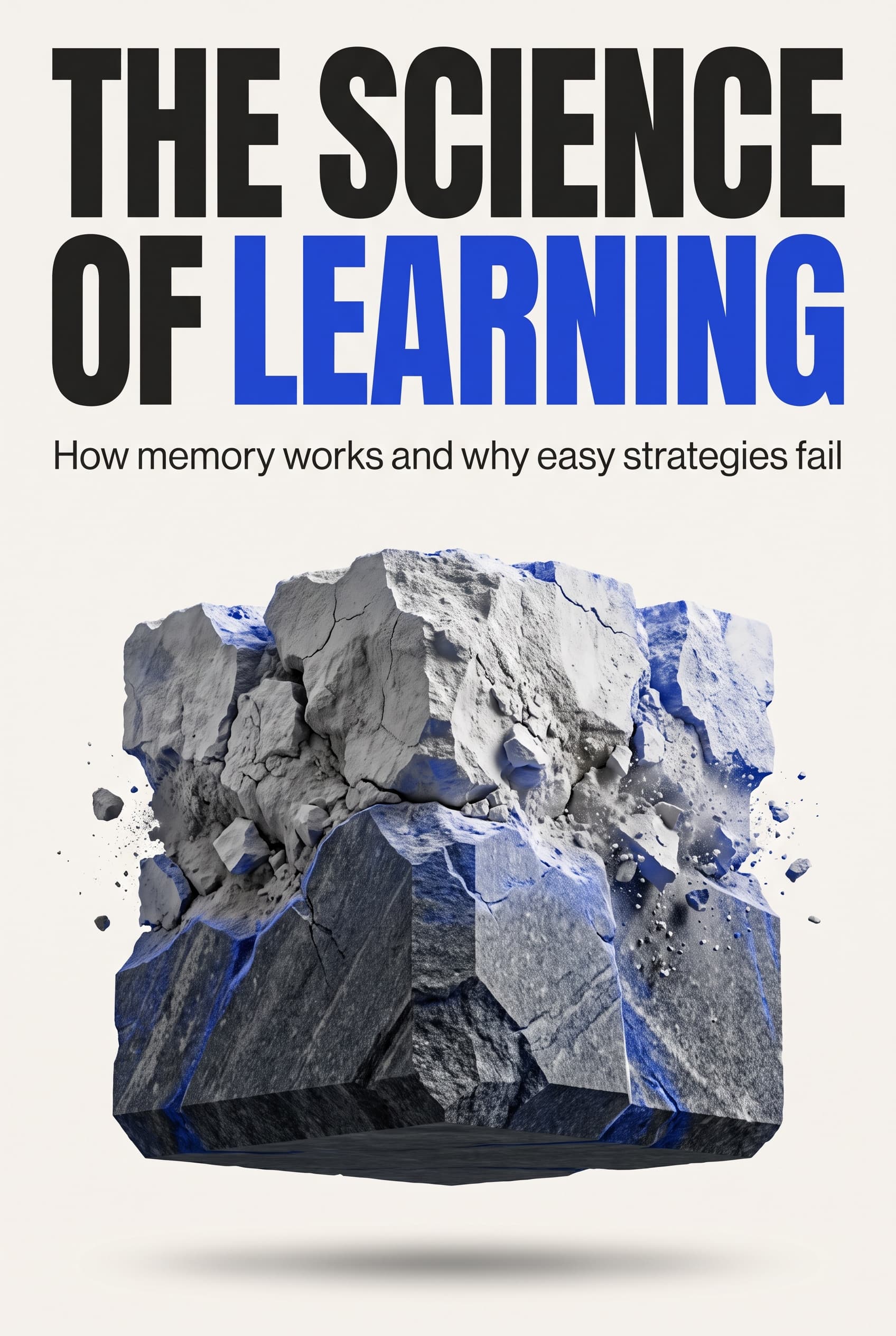 The Science of Learning
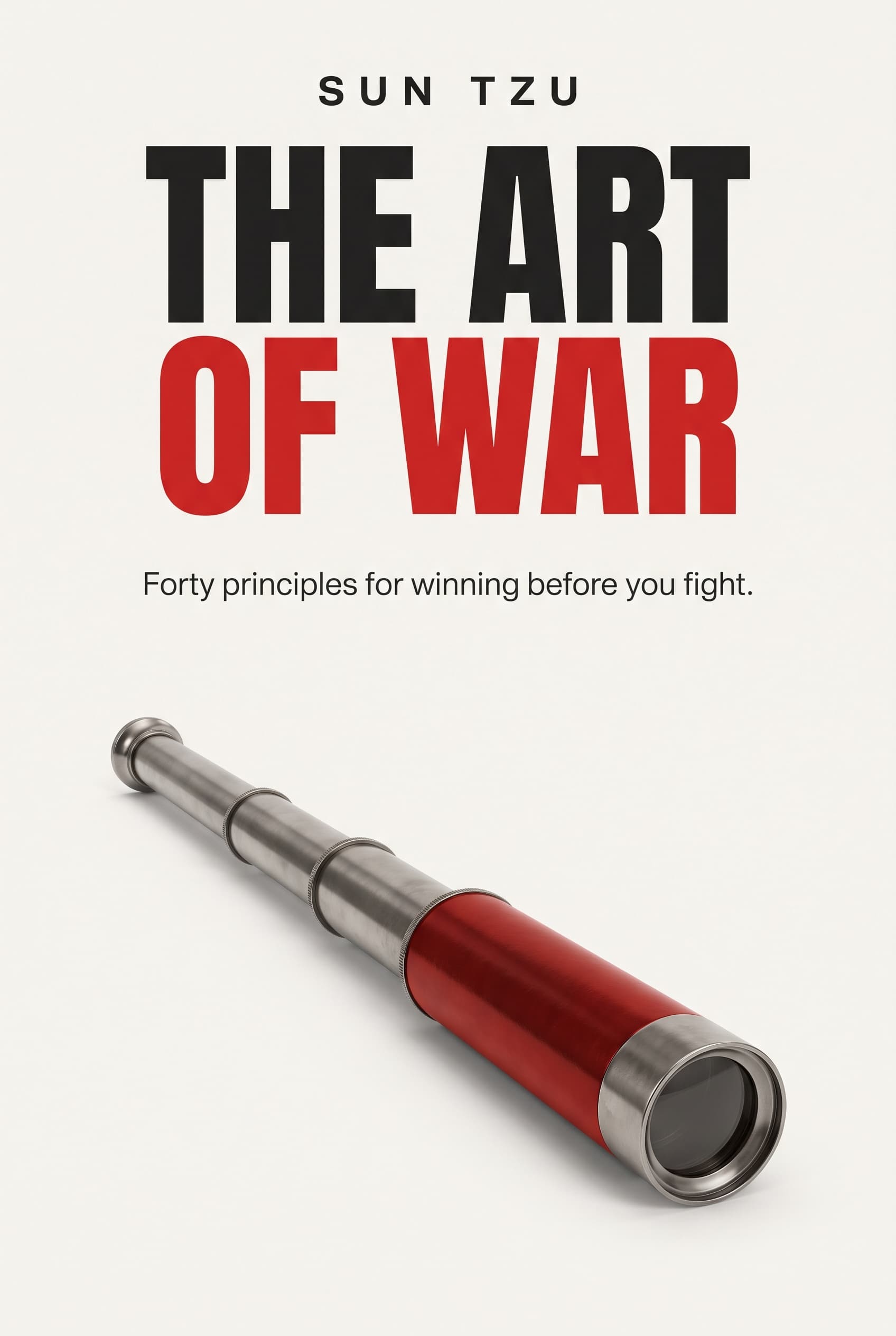 The Art of War
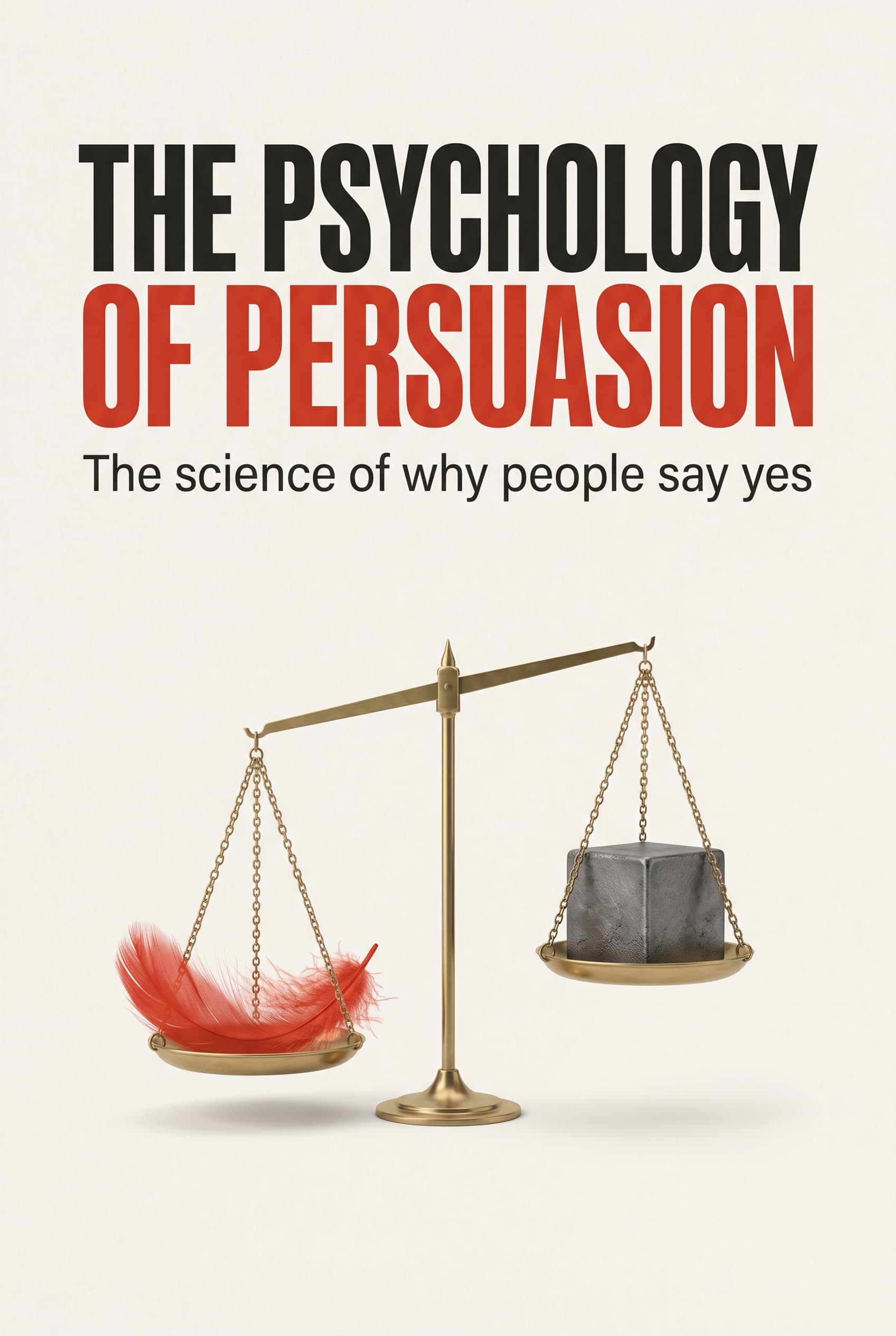 The Psychology of Persuasion
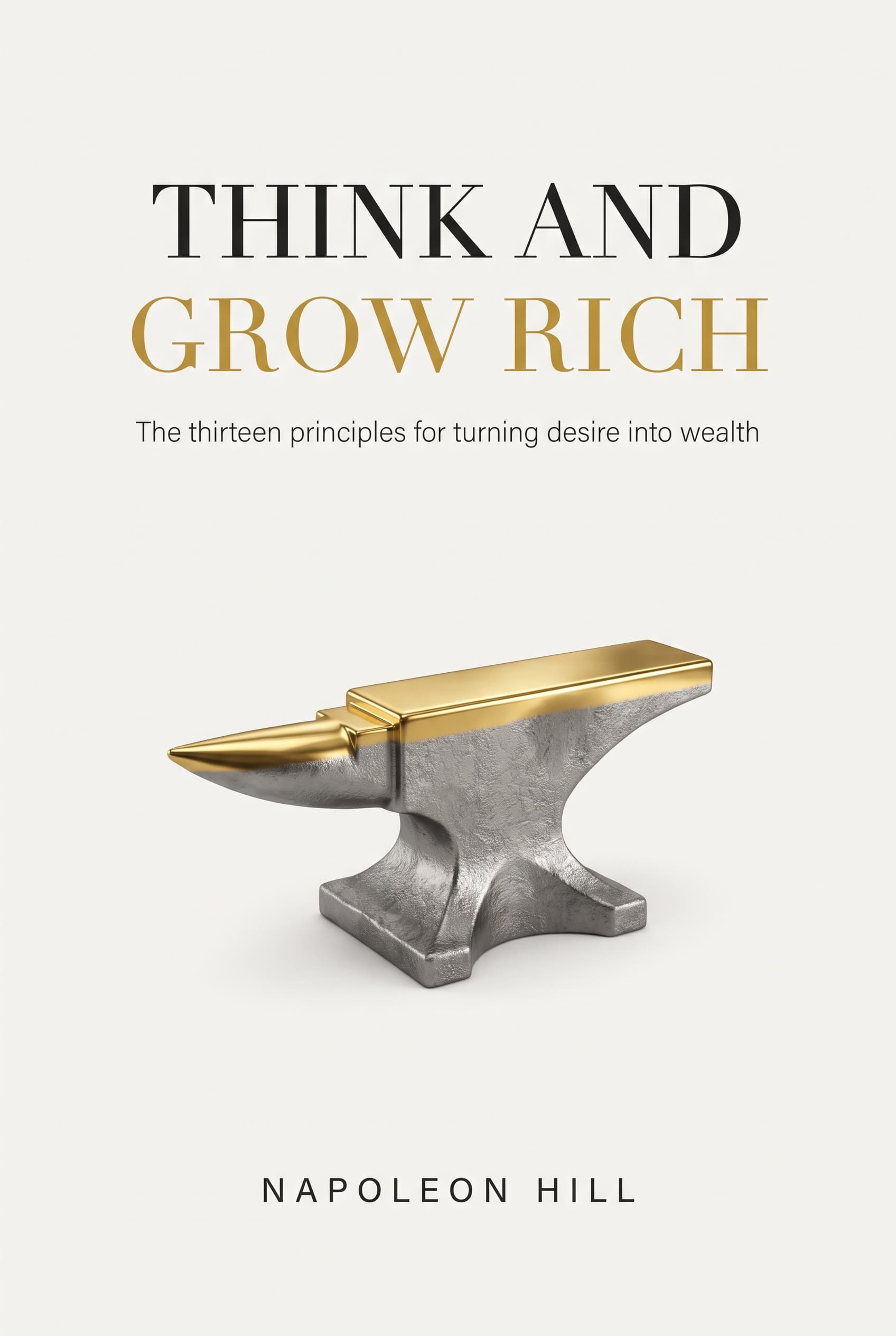 Think and Grow Rich
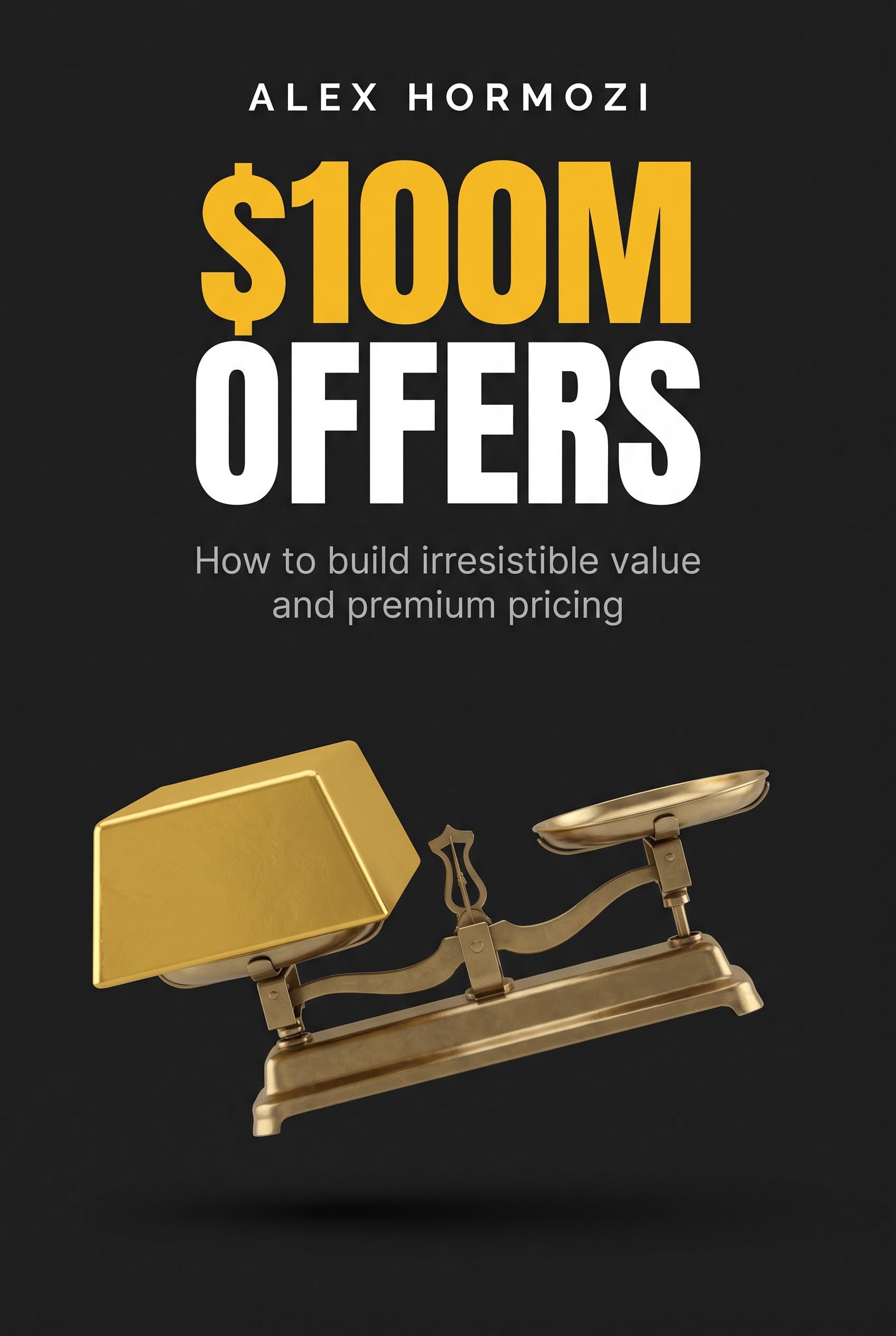 $100M Offers
 Bhagavad Gita
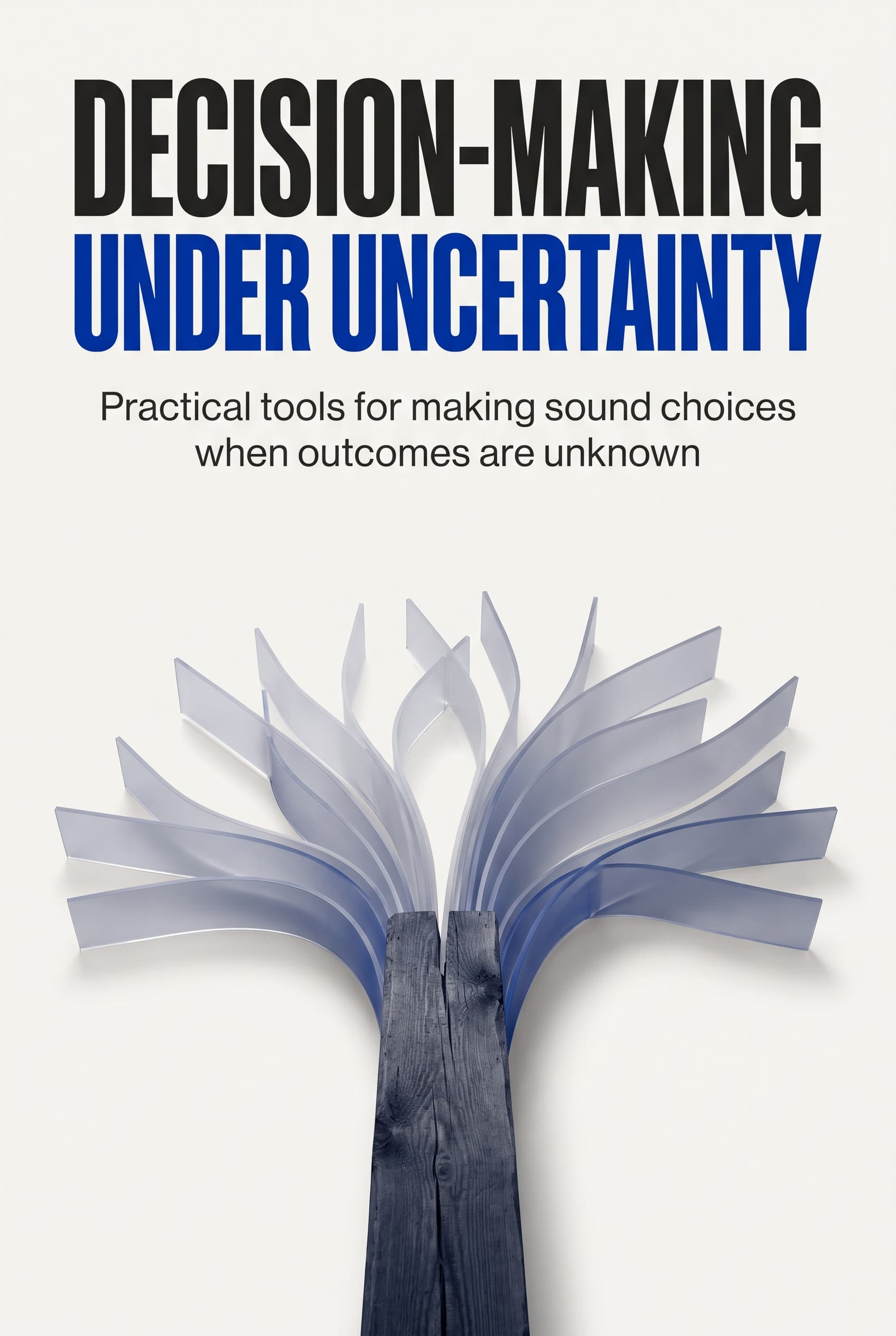 Decision-Making Under Uncertainty
 Emotional Intelligence Under Pressure
 Habit Design
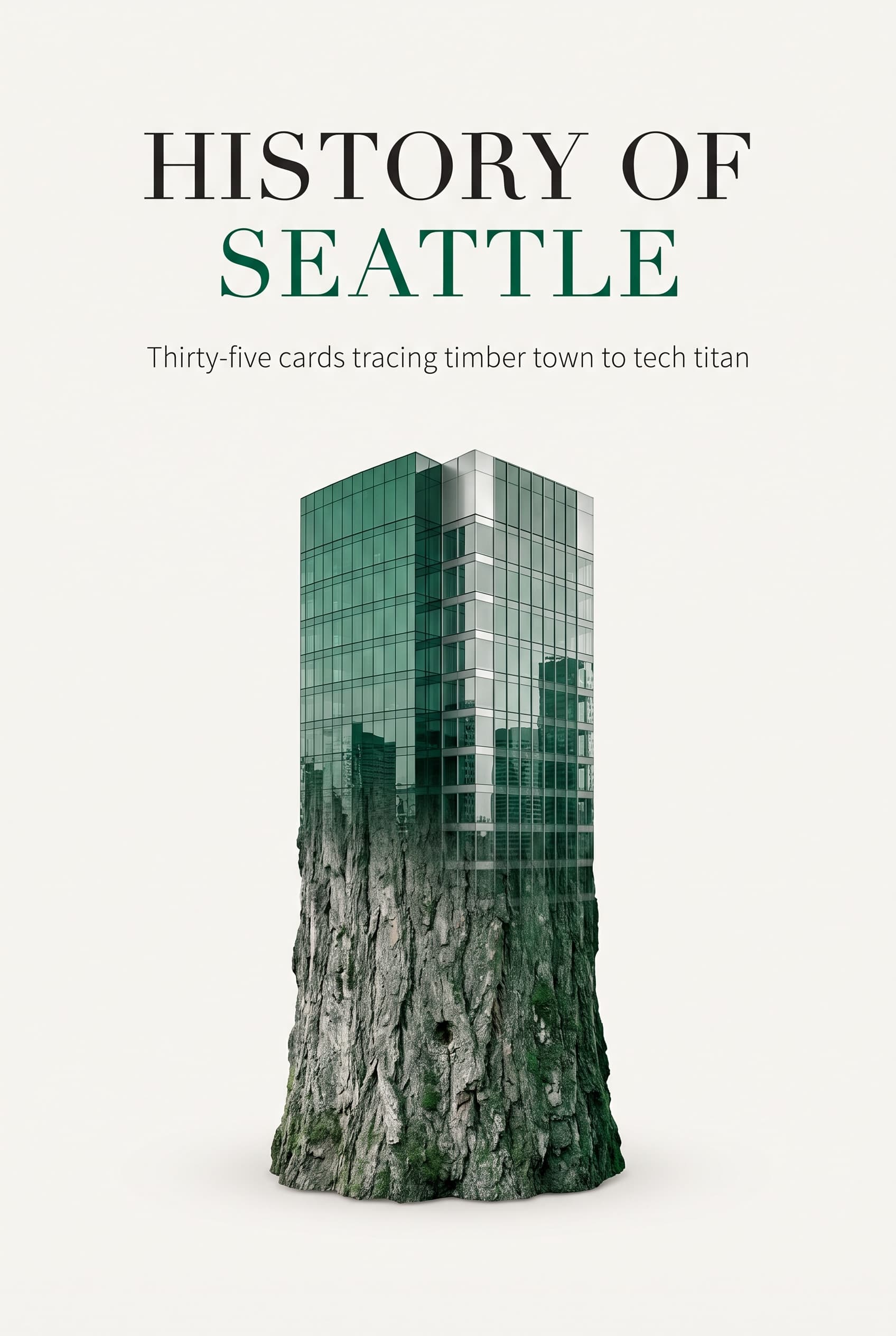 History of Seattle
 Home Systems & Safety 101
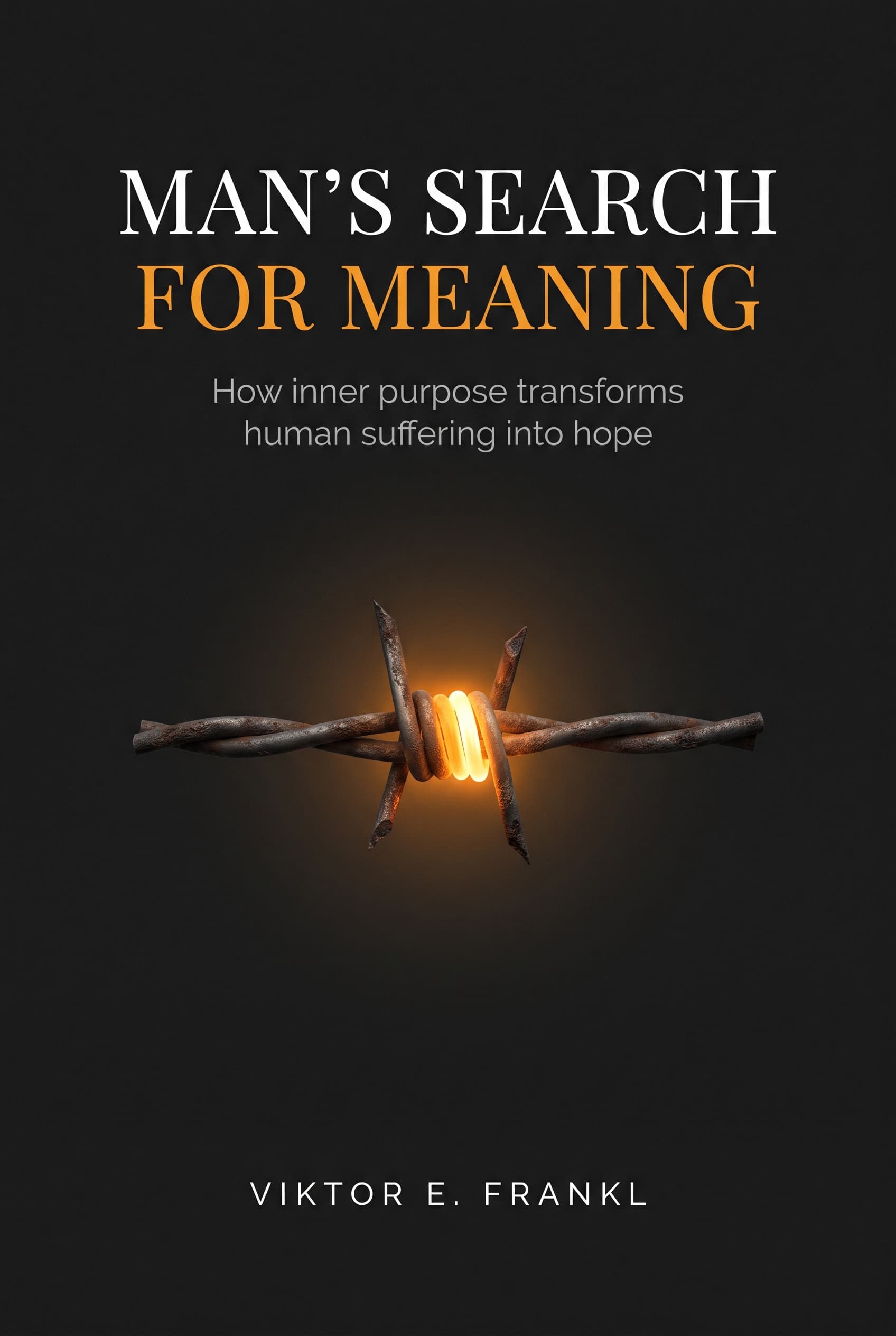 Man's Search for Meaning
 On the Origin of Species
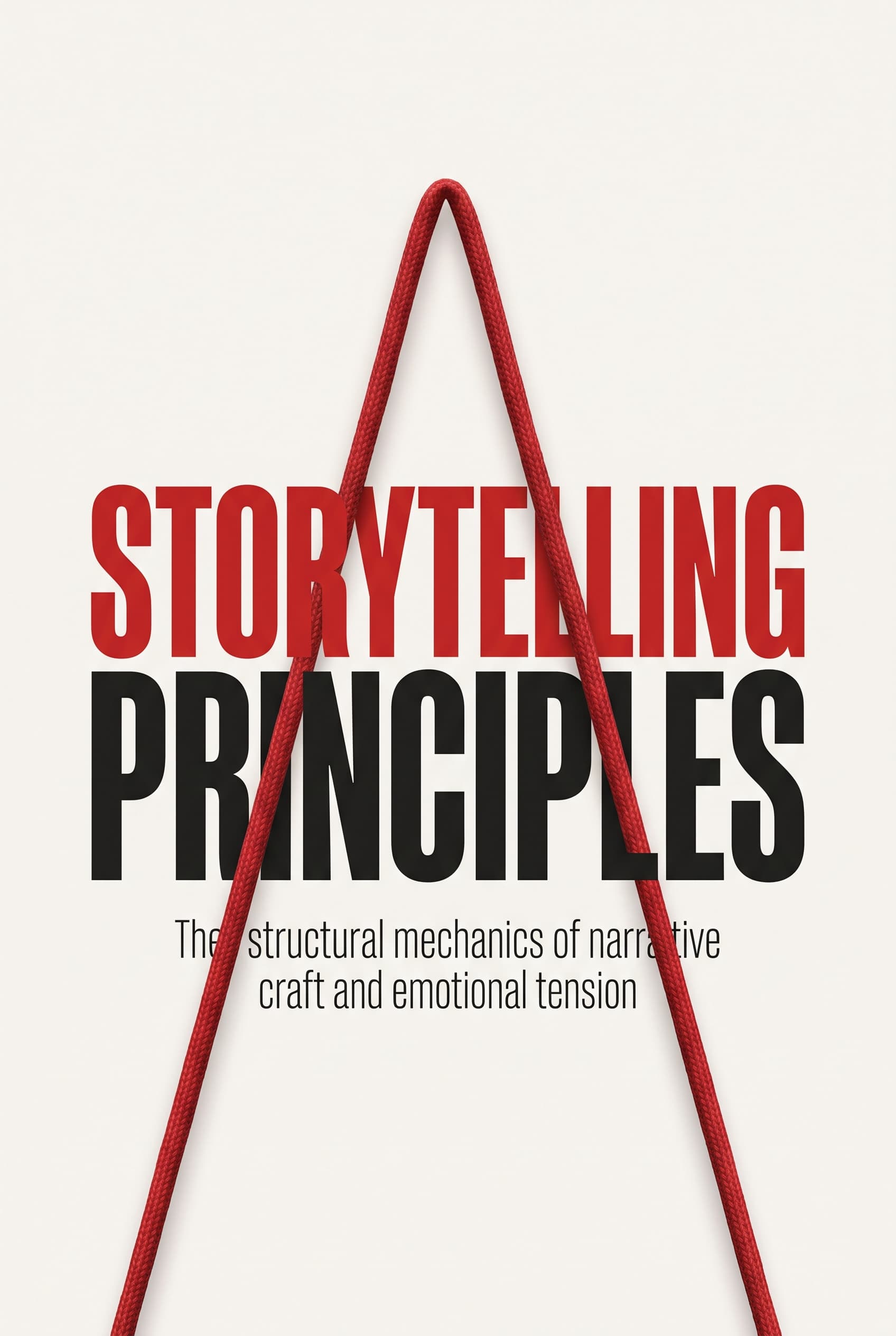 Storytelling Principles
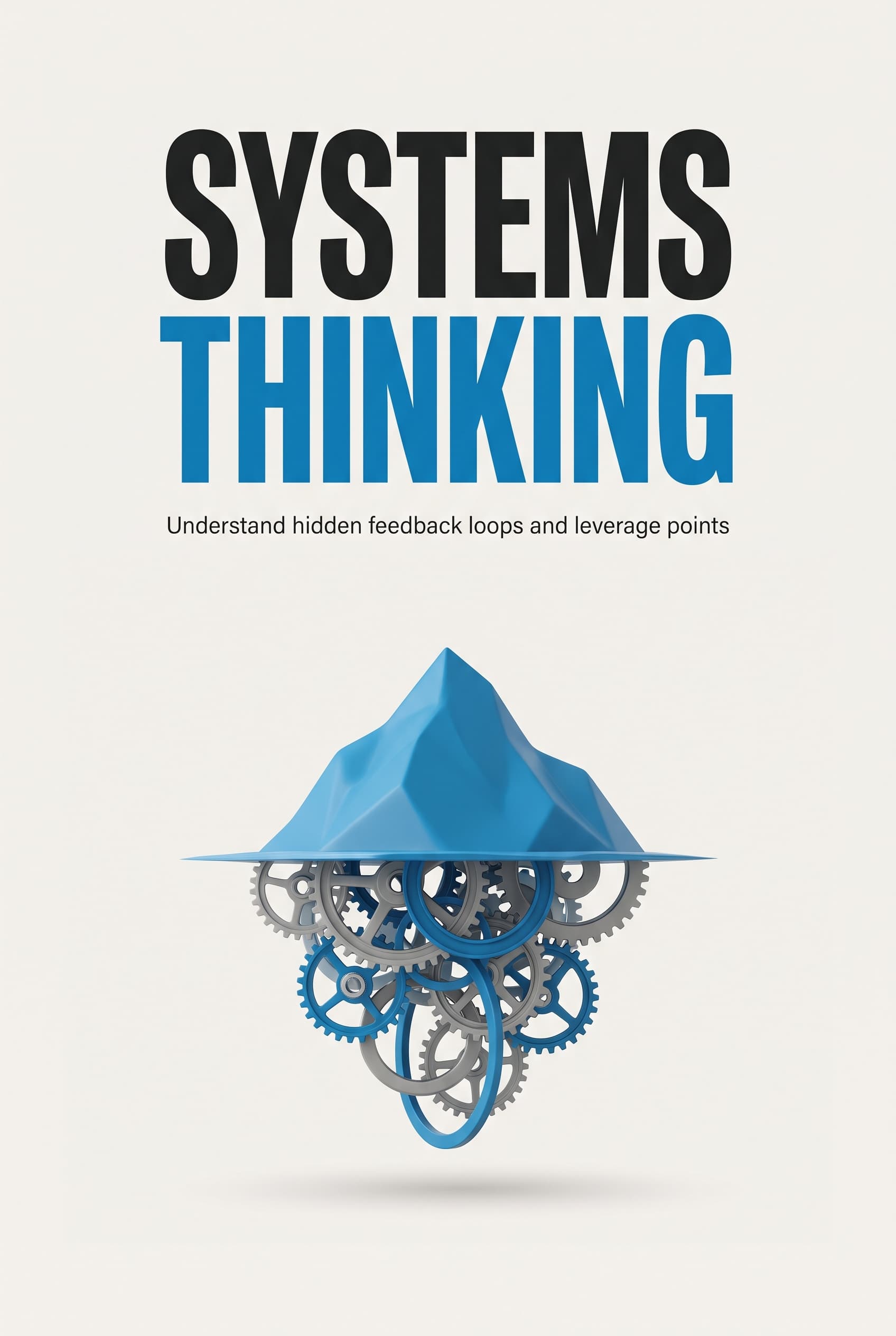 Systems Thinking
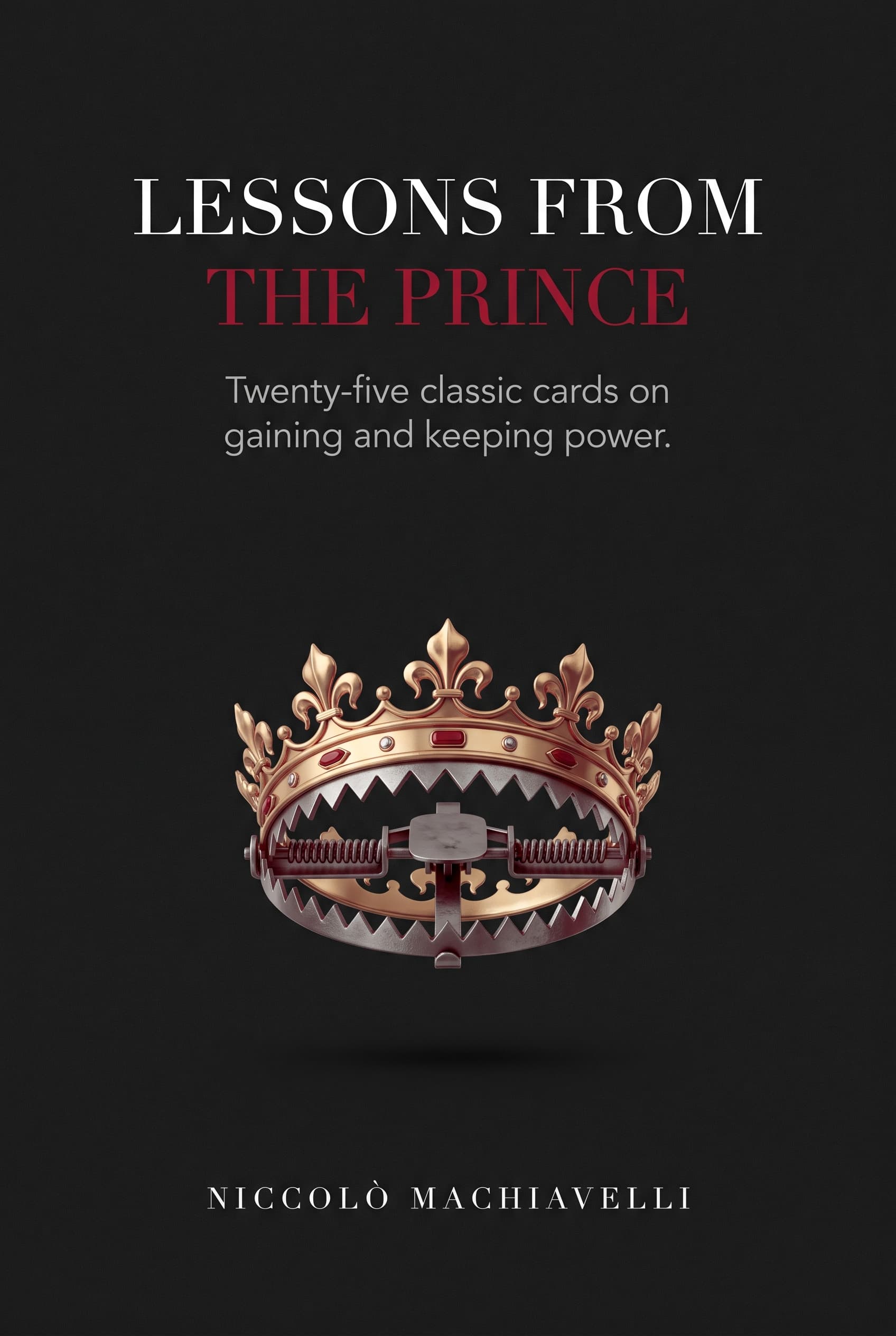 The Prince
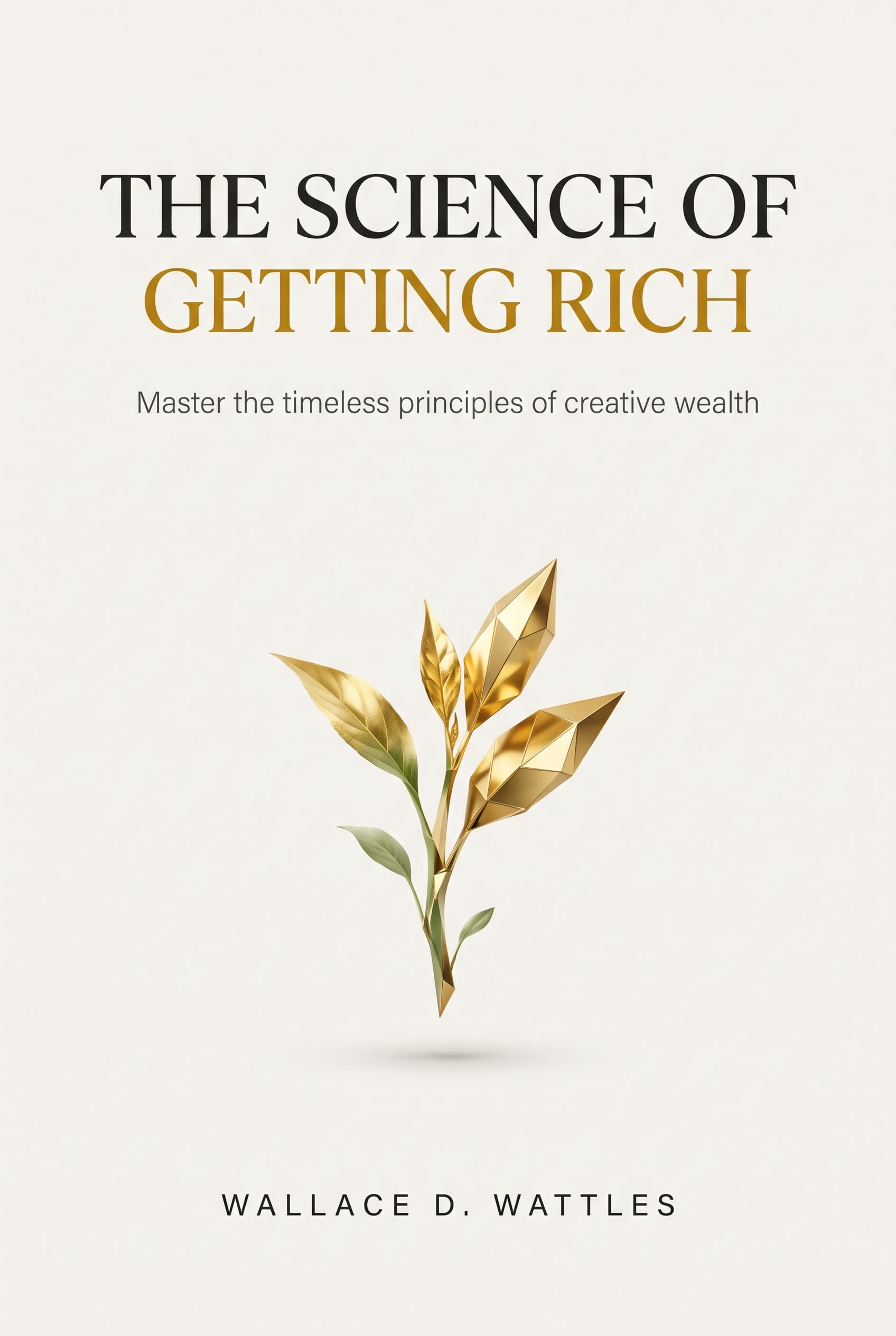 The Science of Getting Rich
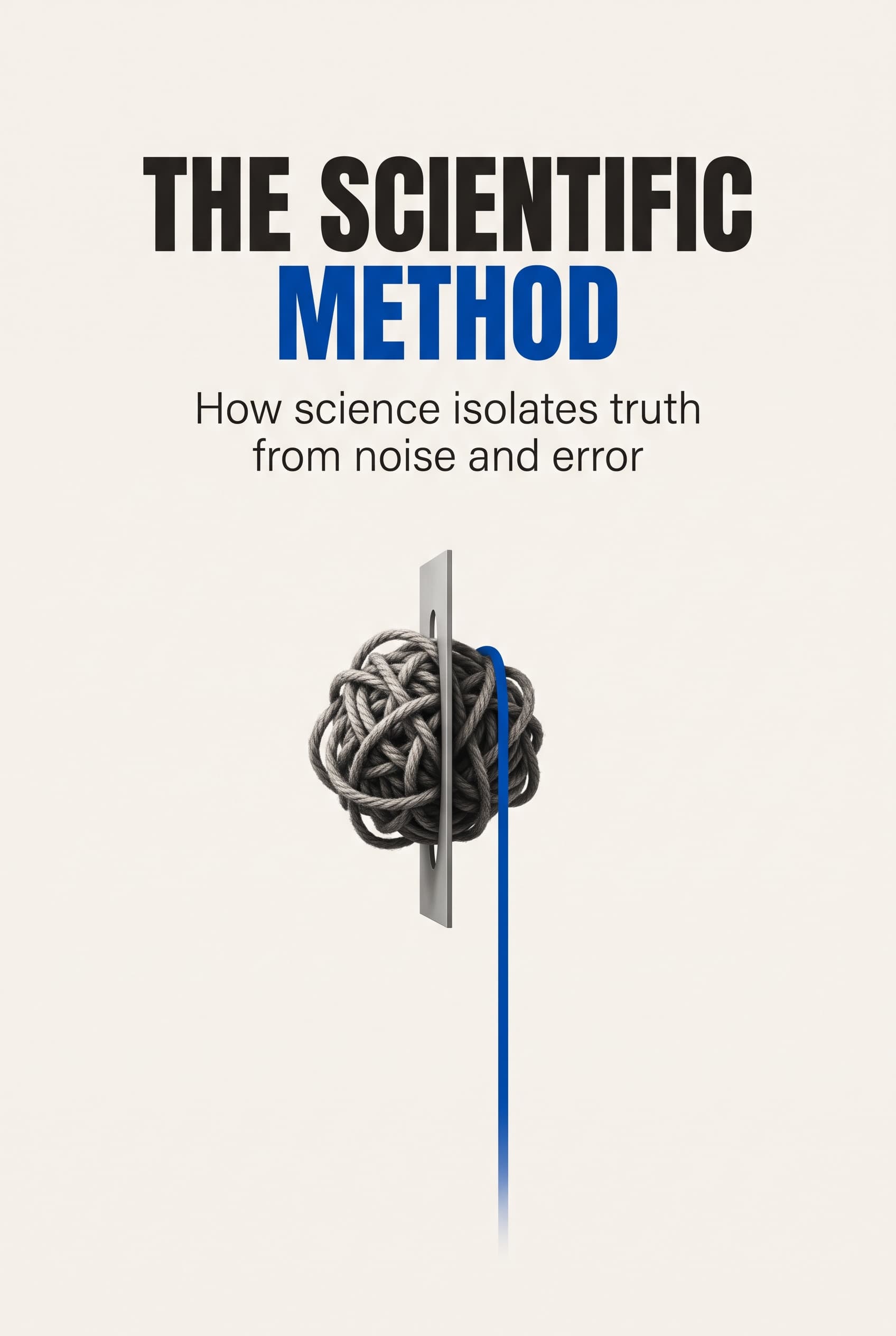 The Scientific Method
1,052
cards in the library
36
decks on the shelf
15 min
reads a whole deck
3 free
cards in every deck
The card
One idea up front. A playbook on the back.
No chapters, no filler. The front hands you the concept in under a minute; turn it over and the back is numbered steps you can run today.

Anchoring Bias
The first piece of information you receive disproportionately influences all subsequent judgments, even when it's irrelevant.
See a $500 jacket marked down to $200? Feels like a great deal. But if you first saw it listed at $200, you'd think twice. The original price 'anchors' your perception of value.
Negotiators use this ruthlessly. The first number in a salary talk or a home price becomes the anchor everything else revolves around.
Even random anchors work. Ask people whether Gandhi died before or after age 140 rather than age 9, and their guesses shift by years.
Anchoring Bias
"The first number you hear is the number that matters most."
Set your own anchor first
Research your own valuation before negotiating. Write it down. That becomes your anchor instead of theirs.
- Research comparable data
- Write down your number first
- Don't adjust from their anchor
Recognize anchoring attempts
When someone names a number first, pause. Name it as an anchor, then reset to your research.
Use strategic anchors
Where you have leverage, anchor first with a researched, ambitious number. Make them adjust to your frame.
The first number sets the frame. Control the frame, control the outcome.

How it works
From curious to capable in three steps.
Pick a deck
Start with whatever's costing you — fuzzy decisions, weak strategy, money, habits, the thing at home you keep not fixing. Each deck is one subject, distilled.
Flip through it
A card a minute, about fifteen minutes a deck. The front hands you the idea; the back turns it into numbered moves. Some decks add an audio overview — press play and learn hands-free.
Run the plays
Save the cards that hit and use their steps the same day. Applied once beats highlighted forever.
Every deck deals its first 3 cards free — start with Cognitive Biases
The shelf
Pick your first deck.
Every deck opens with 3 free cards. One subscription — Bitecards Plus — unlocks the whole shelf.
The whole shelf, A–Z
- $100M Money Models45 cards
- $100M Offers45 cards
- As a Man Thinketh7 cards
- Bhagavad Gita31 cards
- Car Care Basics33 cards
- Cognitive Biases25 cards
- Decision-Making Under Uncertainty29 cards
- Economic Thinking26 cards
- Emotional Intelligence Under Pressure24 cards
- Game Theory for Everyday Decisions20 cards
- Habit Design26 cards
- Hard Conversations26 cards
- History of Seattle35 cards
- Home Repairs Made Simple29 cards
- Home Systems & Safety 10133 cards
- Innovation & Creativity38 cards
- Kitchen Fundamentals & Food Safety33 cards
- Logical Fallacies20 cards
- Man's Search for Meaning20 cards
- Meditations27 cards
- Mental Models for Clearer Thinking24 cards
- Negotiation Principles20 cards
- On the Origin of Species25 cards
- Rules of the Road43 cards
- Storytelling Principles26 cards
- Strategic Influence30 cards
- Systems Thinking35 cards
- The Art of War40 cards
- The Autobiography of Benjamin Franklin25 cards
- The Prince25 cards
- The Psychology of Persuasion22 cards
- The Richest Man in Babylon21 cards
- The Science of Getting Rich40 cards
- The Science of Learning25 cards
- The Scientific Method39 cards
- Think and Grow Rich40 cards
Questions, answered.
Your first 3 cards are already free.
Pick a deck. If it hasn't taught you something in five minutes, close the tab — no account, no credit card, no hard feelings.